Awesome autumn

Toffee apple vodka

My favourite time of year. Autumn. I love the turning of the colours on the leaves, I  love the drawing in of the evening and the sunrises and sunsets. I love wrapping up, drinking hot chocolate. I love the wind provided I’m wrapped up and its not causing damage.

According to verywellmind.com temperature and light levels affect which season someone loves most, as does the time of year they were born. It suggested that those born in spring and summer months are more likely to have positive temperaments and be prone to rapid mood swings, whilst those like me, born in autumn and winter months are less likely to be irritable. Not sure if agree with that. I get easily irritable.

Whilst some consider spring as a time of renewal, the vibrant autumn colours appeal to constant desire for change, reflection and plans for the year to come. I can definitely relate to that. I am more engaged through change. I cannot abide the repetitiveness of doing the same job or task all day every day.

Nick Perivale suggested that those with an autumn personality are earthy, warm, organic, rustic and passionate, with a strong connection to mature, a love of past and a yearning to understand how nd why things work. She suggested that autumnal are born organisers and pay attention to detail. With the exception of “warm” I wholeheartedly agree with that assessment.

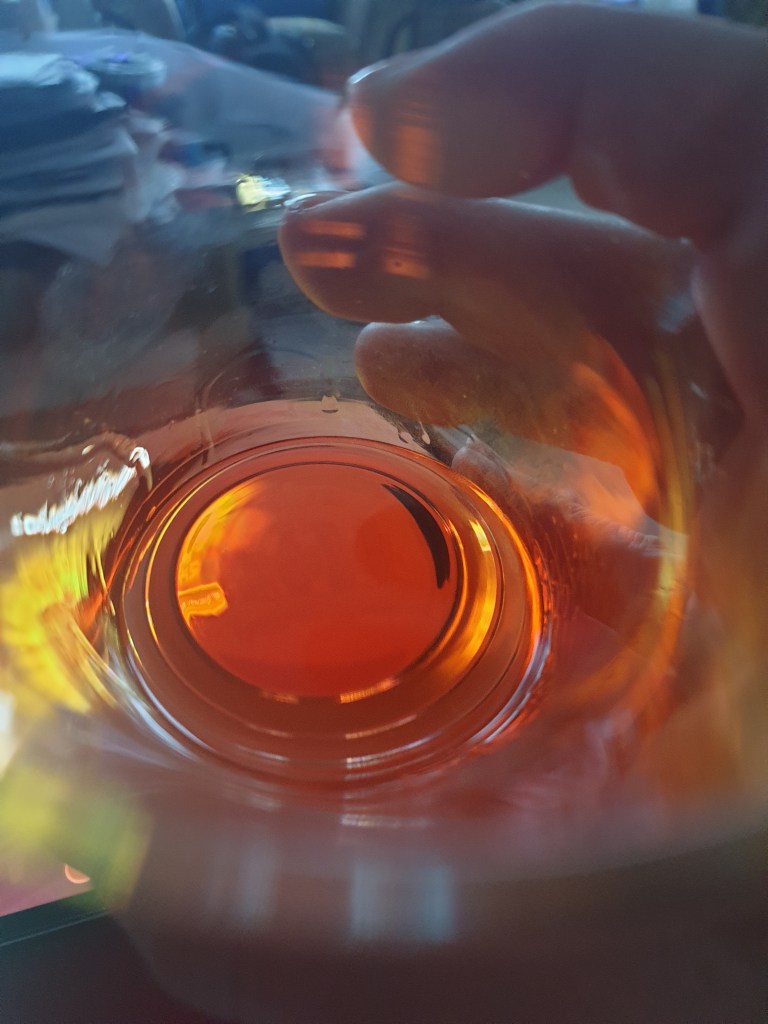
All three of us recently attended the Hampton Court Palace Food & Drink Festival where I purchased a bottle of toffee vodka, but also a bottle of toffee apple vodka. And oh my goodness, its autumn in a glass. Smooth, warming, subtle.

What season do you resonate with most and why?
Should’ve, could’ve would’ve, did

Saturday I should have been in Staplehurst competing in the Essex Trophy 10 bell striking competition. Sadly our team had to withdraw so I had one of those days that was all wrong because the plans had changed.

It did mean I could have a bit more of a lay in and leisurely bacon buttie for breakfast. No complaints there.

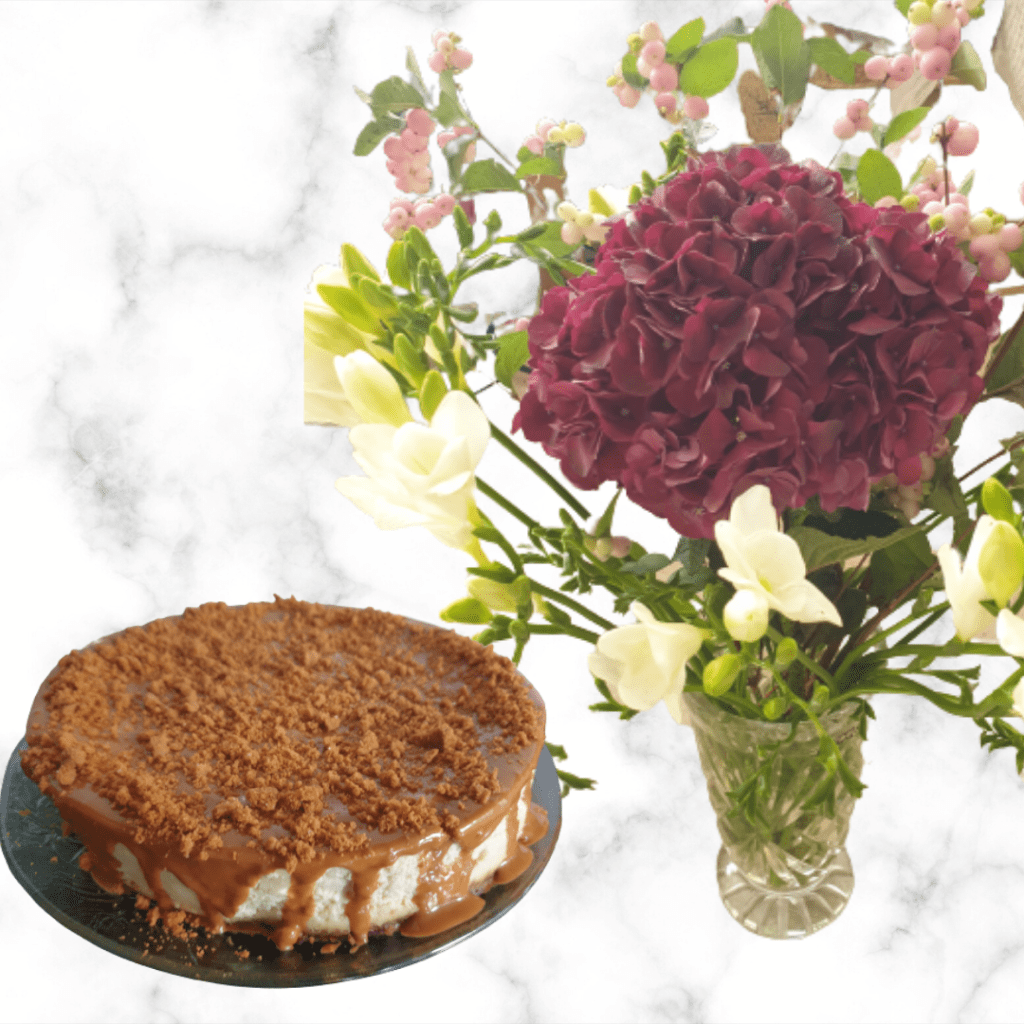
I had decided to make a Biscoff cheesecake for Sunday lunch so while C was getting ready, started to prepare. I hadn’t realised that the recipe was actually for a baked cheesecake. Not that that’s an issue, cheesecake is cheesecake and acceptable in any form, but I’d never made a baked one before.

I’ve seen so many times on GBBO how baked cheesecakes split because they’re cooled down too quickly so decided to leave it in the oven, but turn the heat off, whilst we popped into town.

I bought myself some flowers (no one gonna buy them for me) and would’ve purchased a load of fruit from the High Street Market stall. Only it wasn’t there. We ended going back up to the old market and got some from there but it didn’t look as nice.

Once home, I removed the cheesecake from the oven and was rather impressed it hadn’t sunk or cracked. Yay, me!! It needed covering in melted Biscoff spread and sprinkled with more Biscoff biscuits. Did look rather delish even if I do say so myself.

I could and probably should have then spent the rest of the day dealing with reports, emails and actions but I was far from in the right mood, feeling rather annoyed by something and nothing. So I sat reading a book, drinking peppermint tea instead. That did of course mean cramming more things into Sunday but nothing like a bit of pressure to get motivated.

I needed to be nice to myself on Saturday so revelled in self indulgence.

Stop talking…at least until you take note of this

Talking. Pretty much everyone does it unless they are somehow prevented. It starts from an early age with baby babbling. Progresses to the annoying child always asking the difficult or awkward questions at the most inappropriate moment. Then stops during the Kevin and Perry teenage years and you’ll be lucky to get a single, monosyllabic grunt. Then on to the trying to impress, boss, friends, prospective partners. Then the familiarity of being able to finish each others sentences.

As someone who has to give occasional interviews I’m very conscious of how my voice and words come across. I try to formulate responses before speaking them. I try to slow down my speech so others aren’t struggling with the thread. I try to cut out the “ums” and “ahs” as much as possible.

An article by Jayson DeMers talked about the five most common conversation mistakes:

  • Filler words. The “um” and “er” and “like” (that one is a particular peeve of mine). They become distracting, but the good news is you can train yourself out of it just by being consciously aware.
  • Repetitive inflection. Monotone lack of inflection can be just as infuriating as over the top inflection on particular words in a sentence. And of course inflection on the wrong word can change the whole meaning.
  • Neglecting mannerisms. Be aware of over gesticulating or facial expressions, or pacing the floor. 80% of communication is non-verbal and your face can betray your words.
  • Talking too fast. Usually when we’re excited or nervous we can start to talk faster. We’re so keen to get all the words out we start tripping over them. Its better to speak slower as it gives you more time to consider your words. Adding pauses can add dramatic effect.
  • Rambling. Again, often a nervous reaction but can cause your message to be lost. A simple question requires a simple answer, not one that keeps wandering off the point.

The way DeMers suggested to overcome these habits is to practice. He recommended recording yourself and listening back to discover your own personal tick or speaking in front of the mirror to check your mannerisms and facial expressions.

When I’ve given presentations I’ve practiced them several times over and for really important ones I’ve done dry runs in front of colleagues who gave me helpful clues.

I was on a virtual meeting recently and someone’s facial expressions as someone else was speaking gave an awful lot away about what they thought about what the other person was saying.

I’m trying to speak slower and more deliberately so I can be aware of my “ums” and “ers”. I am also conscious that even though I might be excited about something I need to tell my tone of voice and face that so it reflects how I’m feeling.

From overwhelming mess to calm sophisticate

Image by Pexels from Pixabay

The latest Tonya Leigh podcast that I’ve been listening to (yes, I’m still about five years behind) asked questions about why we fill our diaries with obligations, or nearly kill ourselves trying to reach our goals.  Why do we try to be everything to everyone?  Why do we cram our lives with so much?  Perhaps because leisure is only possible when we are at one with ourselves.  We may see overwork as a means to escape, or are trying to justify our existence.

I know I feel that I have to justify my existence and always thinking that I’m not good enough so need to do more in order to feel I have a purpose in some way.  Imposter phenomenon kicking in all the while though. TL continued its one thing to work from a place of passion but very different to live life trying to prove yourself to others and gain accolades and validation from them. You can never do enough if your underlying belief is “I am not enough”.  I have mentioned before that I often feel I am not a good enough wife, mother, daughter, sister, friend, colleague and nothing I do will ever be good enough for some people.

TL suggested that if we wanted to turn that around and become a calm sophisticate we should:

  1. Go fast and slow – live life at our own pace.  Speed up in order to get the things you need to get done out of the way, but then slow down in order to spend time with friends or family.
  2. Know what you value – find out what is really important.  Be confident in choosing what to let go of.  Don’t be afraid of disappointing others.
  3. Manage your mind like a CEO – life will never have a sense of calm if you go through the day saying you don’t have time, or you’ll never get that done, or that person will be disappointed.  Change your mind-set in order to be the reflection of what you choose to believe.
  4. Listen to your body – our minds can try to convince us to go harder and faster and when we are overwhelmed the temptation is to throw yourself into it even more.  Take a break, be well rested and nourished, your body and mind will be grateful.
  5. Plan and schedule – have a clear plan for yourself before you fall into someone else’s plan, when their plan probably doesn’t feature you much anyway.  Say yes to what really matters and no to everything else.
  6. Realise that everything is happening for a reason at its perfect time – stop beating yourself up over telling yourself you should be more successful, stop chasing an illusion that things should be better than they are.  Practice understanding that everything is unfolding as it should. Slow down and savour whatever moment you are in.

Calm, non-dramatic energy is the space where things are solved most effectively and life lived most fully.

Maureen Campaiola suggested five ways to create calm in your life 5 Simple Ways To Create Calm In Your Life | Recapture the Joy (adebtfreestressfreelife.com):

  1. Reduce noise – we are bombarded by noise (not just sound noise) from the moment we wake up – the alarm clock, social media, clutter.  Reducing these things and finding quietness is a rare treat.
  2. Create a peaceful and calm morning ritual – meditation, reading, a hot shower, journaling, savouring your morning coffee.
  3. Let it go – if someone doesn’t do what you think they should, your partner didn’t kiss you goodbye (doesn’t mean they no longer care for you), someone is rude to you.  Let it go. It’s their issue not yours.  You don’t know what’s going on in their world, they are doing their best.
  4. Be grateful – practice gratitude, apply it to the events of your day.  Your boss giving you a hard time?  At least you have a job.  Your partner not well?  Be grateful for the days you have together.
  5. Declutter you space – clutter sucks energy out of the room, creating mental chaos and stress.  Clearing clutter creates a peaceful and calm oasis to go to when you feel overwhelmed.

Certainly decluttering is a bit issue in our house.  We have so much stuff. Mostly an awful lot of #bellringing stuff, the Association library, other books, papers and other items.  C is a bit of a hoarder and keeps papers from years ago completely unnecessarily, in my opinion.  Every time I win at decluttering a space, it’s not long before he fills it up again.

“Calm is always one choice and one thought away”

Tonya Leigh

Relationships are hard work

Image by Anastasia Gepp from Pixabay

I’m sure, like me, you have relationships that leave you feeling drained.  The ones you don’t look forward to engaging with whether work, social or family. Relationships is one of the key things that I am trying to work on and improve at, but I know I have a long way to go with them. Some are much more challenging than others.

Karen Gately suggested seven ways that all great relationships have in common and it is worth considering each of these amongst the close relationships we have:

  1. Trust – this takes time to build and is often difficult to regain once lost.  Without it though, you will never feel safe, comfortable, open and close.  It requires us to be willing to listen to some hard truths and learn from them.
  2. Openness – expressing yourself openly and honestly.  Being heard and hearing the other person.  Engaging in honest and respectful conversations that allow you to understand one another and build connection.  It’s about sharing concerns and problems directly to resolve them.
  3. Respect – No one is perfect.  Everyone has a different perspective built on different experiences. Respecting those different values and perspectives will avoid disappointment and frustration.
  4. Teamwork – Everyone needs to do their part.  It takes two to Tango.  Making decisions together, listening to each other’s concerns and ideas with an open mind with build mutual trust and respect.
  5. Joy – having fun, laughter can help keep healthy relationships energised.  We can’t all have a good day every day, but if we are able to help lift each other’s’ spirits it will make people feel loved and accepted.
  6. Kindness – treat each other with care, consideration and compassion.  Speak with warmth and consideration, generosity and friendliness.
  7. Forgiveness – holding on to unresolved resentment, disappointment and frustration can erode trust and drain our spirits.  You need to be able to express how you feel and then let it go.  You need to be able to forgive others’ shortcomings and failings and support one another. 

To me it seems that some of these contradict others.  If I am being honest and open, I may not always be speaking kindly.  I have occasionally been on the receiving end of other people’s tirades both as a manger and in my #bellringing roles, yet I am not allowed to respond the same way.  I have to take the higher ground and put up with being spoken to in ways that other people would call me out on if I spoke to them in the same tone.  Some of that goes with the territory.  Some of it I have to put down to being “the bigger person” but it still hurts, and it’s still frustrating with people operate with double standards.

I do tend to hold on to frustration and resentment, but I am gradually getting better at letting some of that go.  Someone once said to me “light the blue touch paper and stand well back”, when I had to share something that I knew others would get up in arms about.  This person suggested that basically, say what you have to say then move on, how other people react to it is their business, do not get involved in back and forth chat.  As it turned out, a whole bunch of other people pitched in and put the doom-mongers and negative ninnies in their place.

I still have a way to go with some relationships that are a bit broken (as far as I’m concerned anyway, maybe the other person/people don’t feel the same), but I’m choosing one at a time to deal with rather than overwhelm myself with trying to fix everything all at once.  Work in progress.

One thing I thought of whilst writing this blog was perhaps a good place to start when trying to rebuild relationships would be to list all the other person’s good qualities and restart the relationship from there, rather than a place of what you might perceive to be their shortcomings.

Iconic Cultivation – surround yourself with what and who inspires you

Image by finix8 from Pixabay

My mate TL suggested that if you struggle with confliction between the person everyone sees versus the person you desire to be on the inside, trying to fit in at the cost of your own self-expression, you end up holding back your own opinion, dress so as not to draw attention, don’t make investments in the things you desire, don’t put yourself out, hiding from life and life hiding from you.

She suggested in order to stop hiding, because life is more fun when you get out there and fully embody the person you want to be, you might need to do some homework.  Studying iconic people you admire, who are passionate about something, who live their lives as a work of art with substance and style.  Watch their interviews, read their biographies, study their presence.  TL did this and discovered there is no formula to being iconic; it’s an essence that cannot be replicated – although can be broken down foundation elements of confidence, charm, self-worth, femininity, elegance and a passion for life.  

It can be available to everyone.  Every person has an iconic heart – that thing that makes you extremely rare and special.  It’s the foundation elements that appear in different forms that allow us to cultivate our own iconic appeal.

What does it mean to be iconic?  Dictionary definitions include something or someone who has the characteristics of an icon – an image, emblem, idol or hero, something or someone worthy of veneration.  Many consider people like Audrey Hepburn as iconic because of her style, but it could also include spirituality, virtue, or indeed evil or corrupt. Either way it’s something or someone instantly recognisable, well know and acknowledged especially for distinctive excellence.  Michael Stelzner suggested that people are attracted to your values and that distinction is important to help create connection and stand out from the crowd but you can be distinctive without being iconic, but you can’t be iconic without first becoming distinctive. An iconic person is someone who has made a tangible difference and positive influence on a measurable scale.

Iconic leaders, influential people all have something in common – they have all overcome barriers along the way and people want to listen to them.  They have vision, are clear and consistent, they listen, keep their cool, adapt and put people at ease. 

When I think of icons, I tend to think of people from history, Jane Austen, Albert Einstein, Stephen Hawking, Audrey Hepburn, Elizabeth I, Andy Warhol, Oscar Wilde, but also 21st Century people like Oprah Winfrey, Michelle Obama, Will Smith, Malala, David Attenborough, Laverne Cox, Serena Williams and Jacinda Ardern.  All of these people have done amazing things and contributed to society and humanity.  They all have elements of confidence, charm, self-worth and a passion for life. Something to try to emulate.

Who would be your icons?

Feeling low? Check your posture

Image by Free-Photos from Pixabay

My current podcast fave Tonya Leigh says you can tell a lot from the way someone carries themselves.  Posture and attitude are reflected in each other.  For example if you keep your arms crossed when you speak, you tend to take short, clipped strides when walking.  If you are slouched over with your head down, it could be assumed that you are tired, depressed or insecure. Yet if you sashay down the street with a smile on your face people will assume you are confident, happy and enjoying life.

Minds and bodies are connected and it might be fun to play around with posture to influence your mind. Sit up and use your posture to project the feeling you want to have with shoulders back, head up and looking the world in the eyes.

It’s a philosophy called embodied cognition – the relationship between body can influence the mind, and the way our mind triggers how the body reacts https://www.fastcompany.com/3041688/the-surprising-and-powerful-links-between-posture-and-mood

You may have seen photos of politicians “power posing” trying to demonstrate confidence, but according to Amy Cuddy’s 2012 TED talk (https://www.ted.com/talks/amy_cuddy_your_body_language_may_shape_who_you_are) it’s actually about changing hormone levels in the brain.

Giang’s article goes on to suggest that how we feel may be something to do with height.  If one person is looking down on another they may feel more powerful (see Two Ronnies sketch with John Cleese!), as there is an association with height and power, which in turn affects attitude. According the study cited by Giang, research subjects who sat upright had an easier time thinking about positive, empowering traits in themselves than those who were instructed to sit slouched, looking at their knees. The study found that just as emotions and thoughts can affect poster and energy levels, the opposite is true that posture and energy can affect our emotions and thoughts.

As well as the physical affect that continued slouching has on our back, hips, neck and shoulders, it can affect mental health too.  According to https://montarebehavioralhealth.com/posture-and-mental-health/# sitting up straight helps with balance and form and is also linked to increased energy, better concentration and mood, increased confidence, promotes positive emotions and better productivity and persistence.  They suggest moving around every 20 minutes or so to reset posture and blood flow, making sure the TV or monitor is in the right place so you don’t have to slouch across to see it and, trying posture improving exercises like yoga.

I am conscious of the fact I tend to fold my arms when I speak, particularly when standing up.  This has nothing necessarily to do with what mood I’m in, but more that it’s something to do with my arms that would otherwise just be floating around with nothing to do.  I do slouch.  A lot.  We had a manual handling officer at work who would literally slap you across the shoulders if she saw you slouching or your chair was at the wrong height.  She wouldn’t get away with that now, but when you heard her coming, you suddenly found yourself straightening up. I know that when I’m sitting on the sofa at home, I tend to curl up, so my back, shoulders and neck are bent round and I do find myself trying to sit up straighter.  I do try to walk tall though, except when I’m trying to keep up with C! 

If your posture could speak, what would it be saying right now?

Best laid plans give way to better impromptu self care

This weekend was manic. I had three meetings and two lots of #bellringing on Saturday and plans for two lots of #bellringing on Sunday, with report writing and week ahead food prep and housework to cram in.

Saturday, although pretty hectic, was actually quite enjoyable for the most part. It was good to be out ringing in other towers with some people who I’ve only ever met via a Zoom meeting before.

Sunday looked to be a little more disjointed, trying to fit things in and get timings right so that I could do everything I needed to get done and be everywhere I needed to be. However as the morning progressed, one of the ringing events I needed to be at in the evening got cancelled.

This meant that I didn’t need to rush around quite so much to fit the other things in. It also meant that I had some additional time back to do with what I liked.

This sort of change of plan often unsettles me. I have a plan of the day and know what I need to do when but when I’m given back time I then find I don’t know what to do with it, despite having a to do list as long as a toilet roll.

I decided therefore, this reclaimed time I would use for some self care.

I gave my face a scare by putting a clay face mask on, something I haven’t done in ages, possibly even years. I always hide in the bathroom when I do fast masks in fear that C will take the opportunity to take photos of me with a green face and send it round. It meant I could have 10 minutes or so peace.

Then it was nail pampering time. I have a lovely foot balm to rub into tired feet, so I gave them a treat followed by painting toenails and my fingernails ready for the week ahead.

Then it was sit still, quiet and read time. There were mildly annoying sounds from outside but it was lovely to have no sounds from inside the house to shatter the calm.

It being Sunday, C then poured me a glass of Pimms and himself a fruit vodka that he’d been brewing, to top the evening off before we settled for tv viewing.

The only thing I didn’t do was soak in the bath. Lack of bubbles would have made it quite dull I feel. Note to self: get skin friendly bubblebath in for rare occasions.

It must a much needed bit of self pampering and self care ready to take on the week ahead.

“There is lots of work going on and it’s an exciting time that will bring great benefit to ringing”

This was a fabulous quote from Linda Garton during the CCCBR AGM, following the presentations given by the Workgroup Leads.  So much is done by so few for the benefit of so many. 

The CCCBR has eight Workgroups covering everything from Public Relations, Senior Stakeholder Liaison, Historical and Archive, Stewardship and Management, Technical and Taxonomy, Volunteer and Leadership, Youth and Schools and Universities.  Each Workgroup has a leader and a small team of people assisting with the work of the Council on behalf of #bellringers everywhere.  And they (we, me included) are all volunteers.  The Council does not employ anyone.

With around 35-40 thousand bell ringers across the world, the Council has about 200 representatives.  Of that 35-40 thousand, only about 87 people are listed as Workgroup members. Some people are on more than one Workgroup.

What is clear is that the #bellringing community want support, want progress and want information.  There are also a group of people who don’t want the Council to stick their noses into local #bellringing affairs.  You can’t please everyone all the time.

What the Council does though is issue guidance on the major issues that affect everyone.  Over the last year a small group have been looking closely at Covid guidance and showed strong leadership in dealing with fall out of that.  Other groups have been beavering away in the background making sure things continue to run smoothly, to ensure the assets of the Council are kept in good order, and to keep #bellringing active and moving forward. 

The Forward Plan includes initiatives like the Mobile Belfry that could be used in schools and events, launching a Call Change Competition to rival the prestigious national change ringing striking competitions, having a centre to host ringing events and training in collaboration with the Churches Conservation Trust. 

Plans are already underway for organising next year’s AGM which will be held face-to-face for the first time after two years of virtual meetings, and will include seminars, events, ringing and much more.

There is so much going on, and it is an exciting time that will benefit ringing.  It would be good to have a few more people involved to help out though.

Bring back the Joy

Image by Tasy Hong from Pixabay

Over the years, as we take on more responsibilities, work, family and navigate our way through life, we can sometimes lose the joy and spark of our youth.  We can get sucked in by others that gradually chip away at our joyfulness. I know I have experienced this.  I used to be a lot more adventurous, outgoing and playful, but as I have grown older, settled down, become and wife and mother, and had a good career, a fair chunk of that has worn away. Like anything else to relearn and cultivate more joy in our lives we need to practice it every day.

If you don’t give something your attention it has absolutely no power of you.

If you ignore the critics, the snidey comments, the naysayers, those who seem to know better, the negativity and negative people around you, you are less likely to experience it, allowing more room for joy.  If you don’t give it your attention, you don’t experience it.  There’s no need to get involved in social media rebuttals, simply block, delete or ignore. There’s no need to get sucked into a pit of despair from constantly watching the news.

I had a case just this week where I read what someone had posted on a Facebook group that wound me up. For about half an hour, I kept going back to the post to see if anyone had made further comment.  It had actually made me quite upset and ready to throw the towel in. I was expecting a further onslaught from everyone else who may have had an opinion one way or the other.  Then I remembered that my reaction to it was my responsibility and why should I let someone else, who has no idea what’s going on in my world, ruin my day.  I made a conscious decision to ignore it. There was one further comment made by the original poster, and a couple of likes but no one else seemed to have waded in, so I decided to move on.  I did actually feel much better for not giving it my attention when I would have previous festered over it and worried about other people would be saying.  I chose to ignore and move on.

This is not to say that we should ignore everything we don’t like that’s going on around us, not bury our heads in the sand, or take responsibility for our words and actions.  It comes back to the point I have made before about how you choose to respond and how much of your time and energy you want to give to something that ultimately gets you down and evaporates your joy.

My favourite ever band, Duran Duran, have recently released a track called More Joy, here’s what they have to say:

“I know where this is going (more joy)

I’m looking at you

I like where it’s going (more joy)

Are you coming too?

I know where this is going (more joy)

I’m looking at you

I like where it’s going (more joy)

Are you coming too?