Mind Cards – a daily dose of mindfulness

I received a belated Christmas present at the weekend; the order had been delayed and therefore hadn’t arrived when I last met up with the giver. 

The gift was a box of Mind Cards. These cards are designed to help you become more mindful of your thoughts and feelings, giving you the tools needed to focus on the present at and spread positivity and self-care throughout your life.

By introducing positive habits into your everyday routine, the Mind Cards will help you create the happiest and healthiest life for you.

They are a set of 45 cards split into five categories: ritual; journal; kindness; gratitude and reflections, offering a different task for the day to set you on track to a more fulfilling and present way of life.

The instructions were to shuffle the deck, combining the five categories.  Each day select a card at random and take the action stated on the card.  When a journal or reflections card is chosen, take the time to acknowledge how the quote or quotations applies to your life in the present moment.  Keep the answers in a notebook or journal to allow yourself to reflect on how your responses change over time.

So, I have shuffled the deck and my first card says to take 10 undistracted minutes to answer the following question in your journal with regard to your life in this present moment: “What is your life motto”?

At the present time my life motto revolves around my desire for self-growth and self-awareness, developing a more elegant and feminine outlook and making financial plans for the next five years to work towards early retirement.  Trying to distil that into one phrase that encapsulates all of it the only phrase I can think of is “Building Better”: building a better me, building a better financial situation, building better opportunities, building a better future.  That’s not to say that I am not good enough, or I don’t have financial security or opportunities, but that I have space to grow in all those areas. 

I am working my way through self-growth and awareness, as you already know.  I have enough financial security to retire now if I wanted to, but there’s no harm in putting some more aside now whilst I can, to ensure that in five years’ time, I can retire more comfortably, considering I am still a long time off being able to collect state pensions, and even some of the work-based pensions.  It might be prudent to consolidate some of the pension pots I have and make additional voluntary contributions whilst I have some spare funds at the of each month. But I don’t want to tie my finances up so tightly that I can enjoy spending now. I want to enjoy holidays, the luxury of having my own car, the opportunities to attend events that I want to and buy the things I think will support my elegance and femininity development. 

What would your lift motto be and why?

A woman of a certain age

I’m not great at being ill.  I haven’t got the time or patience. I certainly am not one for taking tablets if I can avoid it.  If I have a cold, I don’t bother to take remedies (unless its really bad), preferring the symptoms to ride out their nature course; for me it seems to get it over with quicker.  It’s like I can almost tell myself not to be ill.  When I feel symptoms of something coming on, I mentally tell myself I haven’t got the time to be ill right now so go away, it is kinda works to some degree.

Now that I’m a woman of a certain age, I’m conscious things might have a propensity to start getting worn out.  Whether its my joints or skin, or hair, or nails, or immune systems, whatever.  I have always been a bit cautious around the taking vitamin supplements.  I’m not convinced they really work, and they could possibly contraindicate other medication you might be on, and we shouldn’t be self-subscribing chemicals.  However, I am aware that taking additional supplements can have beneficial effects for some. 

For example, C takes a daily dose of cod liver and glucosamine.  Now, I don’t really know if they work, but he seems to think they do. I call it into question when he more regularly wears wrist supports for #bellringing nowadays though. 

I’m reading more and more articles in health and wellbeing magazines about the benefits of taking supplements in older age to help with muscle, joint and other ailments.  At the moment I don’t appear to have any.  So, should I consider starting to take them now, before I get symptoms?  Are they as effective after the damage has already been done, so to speak?

So, I’m going to try an experiment.  I have bought a bottle of multi vitamins intended for women of a certain age.  There are 30 tablets in the bottle and the recommended dose is one per day.  I realise that it can take some time for these things to have an effect, but by the time I’ve finished the bottle I ought to be able to tell if there’s been any change in my overall health, vitality, mood etc. 

Netdoctor suggests that “When it comes to feeling the benefits, there’s no single answer, thanks to a variety of factors that impact vitamin absorption – from the type of supplement you’re taking to the ways certain nutrients interact with each other in the body.” Biologically vitamins are absorbed in a matter of hours and are supposed to have immediate metabolic effects, but there are a number of reasons why their efficacy may prevent you getting the full benefit:

  • Deficiency levels – if you are already deficient it may take longer, or you may need a higher dose of that particular vitamin or mineral;
  • Type of supplement – those taken in liquid form are known to work quicker than those in tablet or capsule form as your body doesn’t have to breakdown the casing first;
  • Water vs fat-soluble – vitamins A, D, E and K are fat-soluble meaning they need fat to be absorbed and should be taken with food.  Water solubles dissolve in water and can have a faster effect;
  • Nutrient pairing – many vitamins and minerals are interrelated in how they work, for example vitamin D helps your body absorb calcium so if you have low levels of vitamin D, you’ll likely have low levels of calcium too.  But there are those that compete against each other too, like zinc and copper so if taken together you might have a higher intake of zinc because the recommended dose is higher than that of copper;
  • Lifestyle and habits – drinking alcohol and smoking can interrupt absorption levels.  Caffeine can block vitamin B6, calcium, iron, and magnesium so it is advised not to have caffeine for 45 minutes before or after taking any supplements;
  • Health issues – underlying health issues may prevent you being able to absorb properly, such as coeliac, or because you lack the right hormones that are intrinsic to B12 absorption.

Having read that, I need to adjust the time of day I take my supplement as I started taking it in the morning with my coffee.  I best hold off for a while!

So how will I be able to tell if any of this is working? Of course, there’s no straight answer. Its dependent on each and every person and which vitamin combination they are taking. It is also dependent on age, gender, digestive health, pre-existing levels, diet, pre-existing medical conditions and more.

It’s more helpful to look for signs of deficiencies, which vary depending on which supplement you’re deficient in. It is unlikely that you will feel or see anything if you’re nutritionally replete – however, you will notice signs of fatigue, poor skin, or nails if chronically lacking nutrients and these are all signs to look out for.

The only symptom I have on a regular basis is tiredness.  I can sleep for Britain.  I fall asleep very soon after our evening meal, wake up in time to go to bed, then more often than not sleep through until the alarm.  I can fall asleep pretty easily at any time of the day, even when I haven’t been up long.  I don’t know if I have any other deficiencies.  I can’t think of any outward signs. 

In 30 days’ time, I’ll see if taking a multi-vitamin for a woman of a certain age has made any difference whatsoever. I’ll try to keep open-minded about it.

6 Ways to beat burnout

Image by Ronald Plett from Pixabay

We all have very busy lives.  Work, home, social, family, friends.  Almost all of our waking hours are filled with activity or interaction.  Sometimes, one or more of those things escalates creating a shift in our energy.  We may have a project at work that is coming to a critical stage and requires more hours and effort.  We may be dealing with a family situation that takes time and emotional effort.  This can leave us feeling drained and burnt out.  Particularly if we’re burning the candle at both ends on a regular basis, or what we’re doing is particularly stressful.   When we are emotionally stressed this has a greater impact on our physical wellbeing.

Burnout expert Rosie Millen writes in Top Sante magazine and offers six tips on how to beat burnout:

  1. Write down your thoughts – for each thought ask if that negative thought became a reality, what would happen.  Write down the worst case scenario, the best case scenario and what is most likely to actually happen.  You are more likely to realise that you’re able to deal with each thought.
  2. Talk – taking with family or friends is a great way to reduce the intensity of your worries.
  3. Focus on good – spend time focussing on what you have and the good things in life, rather than what you don’t have and can’t do.  List three things you have achieved each day and three things you are grateful for at that precise moment in your life.  Just thinking about these can improve your mood.
  4. Ask yourself “is it useful”? – when you next have a negative thought, ask yourself this question.  More often than not, it isn’t.
  5. Distract and interrupt – when you sense a negative thought emerging, distract yourself by doing something else and step away from the situation.  Go for a walk, make a brew, bake a cake (my personal favourite activity). Shift your perspective.
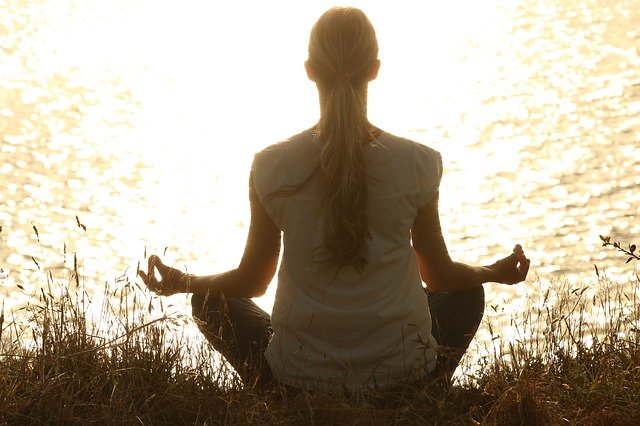
  6. Meditate – take time to focus on your breathing helps reduce stress levels.  Meditation can help anxiety, depression and pain.  Try deep breathing exercises a couple of times throughout your day.

My personal response to most things is to sleep.  If I’m stressed I’ll sleep, if I’m overwhelmed I’ll sleep, if I’m worried I’ll sleep.  I haven’t found anything yet that stops me from sleeping.  I have a lot going on most of the time and sometimes I feel it getting a bit on top of me.  As I mentioned the other day, occasionally, I’ll just down tools and step away, then get back to it when I’m in the right head space. 

Sleep may well be my response mechanism to tiredness and burnout.  Perhaps, subconsciously, I think that if I’m asleep I can’t worry about it, or it can’t hurt me. As a woman of a certain age, one of the signs of menopause is lack of sleep, but that’s not something I’m experiencing so far!

Another trick I use is to break things down into smaller, more manageable things.  I’ll write that email today, then I’ll finish the report tomorrow. 

I also manage my phone and emails quite well at home.  I might read the messages, but won’t necessarily rush to answer it straight away, unless of course it is urgent.  C sometimes comes in from the study and tells me at about 11pm that I have emails to read.  My usual response is, “tomorrow”.  Anyone who emails that late in the day cannot expect an instant reply. My phone may ping in to the evening, but most of it is social media alerts.  I don’t pick my phone up every time.  I’ll check it just before going to bed just to make sure there hasn’t been some catastrophe, and I certainly don’t take my phone to the bedroom.  Anyone that needs to get hold of me in an emergency has other ways of being able to get hold of me, and anyone who can’t, doesn’t need to.

I also try to make time to plan.  I know that’s not always possible, but when it is, I’ll take time to read, make notes, develop thoughts and ideas, consider options and responses.  I try not to knee jerk react to things where I can.

What’s your top tip for beating burnout?

Meditation and Mindfullness – there’s an app for that

Image by Pexels from Pixabay

The benefits of daily meditation have been widely documented in scientific journals, but according to Bryan Lindenberger only a small fraction of adults actually do it regularly, despite the health and wellbeing advantages.

As with most things these days there are apps that you can download that help, can be personalised to your particular mental wellbeing goals.  Some apps track your wellbeing progress and can adapt to your changing circumstances.  Meditation has been noted to have helped millions of people to overcome depression, relieve stress, sleep better, develop mindfulness, reduce anxiety and increase focus.

If you’re new to the whole thing, some apps offer guided meditation, helping you through the techniques of basic relaxation, breathing and mindfulness exercises. There are free apps you can download from your app store whilst others have limited free content before they start to charge for deeply personalised approaches.

Lindenberger evaluated some of the main apps that are available:

Headspace – makes your happiness its goal, leading you through mindfulness, resilience and happiness.

Calm – the most popular app for meditation, sleep and relaxation, designed for beginners and advanced users.

Insight Timer – teaches self-love through guided and unguided sessions.  With 100,000 meditation and music tracks it has the largest free content, but you can pay for offline sessions.

Balance: Medication and Sleep – our moods change all the time and this app promises to adjust with you.  Each day you answer questions that allow the app to choose the right meditation for your mood.

Ten Percent Happier – This was number one in the New York Times meditation guide.  This app is for the beginner and helps with stress relief and finding focus.

Breethe – includes meditations, hypnotherapy, nature sounds, masterclasses and more.  You can set morning alarms and reminders too. Ideal for those new to mindfulness and meditation.

MyLife Meditation – mostly free, offers guided deep breathing and meditations focusing on relieving stress, with a series on eating and journaling.

Aura – designed for the busy. Meditations can last all night, or as little as three minutes, including life coaching, hypnosis and bedtime stories.

Buddhify – a low single cost app for beginners, with a colour wheel to help choose your meditation intuitively.

Healthy Minds Program – 100% free with decades of research to back it up, to help you gain focus, improve resilience, reduce stress and stay motivated.

Medito – also 100% beginner and intermediate courses specifically dedicated to stress, work-life balance, sleep and stories.

Meditation by Soothing Pod – totally free, no subscription with calming stories, soothing music, and nature sounds.

Mesmerize – for the more visual person with hypnotic images and calming music to guide you to peace and relaxation.

I have Calm on my phone and have done some of the free, very short meditations whilst hiding out in the toilets at work, but most of it required payment, so I usually just use it to check in with how I’m feeling.  My Fitbit also has a Relax mode which you can set to three or five minutes and breathe along in rhythm, which is supposed to help lower your heart rate.  I’ve done the three minute one a few times, but honestly, just keep forgetting about it.

What apps do you use to help you stay calm, focussed, relaxed and motivated?

10 Ways to create beauty from the inside out

Image by Fernando Zamora from Pixabay

I dare say a lot of us want to feel beautiful, even if its not all the time, there’ll be times when we want to feel and look beautiful.  But beauty is so much more than appearance. It’s about the energy that radiates from the inside.

We can use all sorts of potions and lotions to try to create our interpretation of beauty, and it can cost a fortune.  Podcast fave Tonya Leigh suggested that the most radiant beauty comes from focusing attention on tending to our bodies and attitudes with the best care possible.  It boils down to health and wellbeing.   She suggested ten beauty hacks that worked for her whilst acknowledging they may not work for everyone, it’s about finding out what works for you:

  1. Start the day with meditation.  When we start to get skin breakouts or bags under our eyes, consider the associated stress levels.  Stress is a dominant emotion, useful in protecting us from danger, but constant stress can lead to wearing you out emotionally.  This then starts to manifest in our physical and mental health.  For some meditation can seem silly and difficult to focus on without distraction, but it has been proven to help improve health, quality of life, creativity and productivity by calming the mind.
  2. Consume a scoop of collagen daily.  Collagen is the most abundant protein in our bodies and helps with skin elasticity and replaces dead skin cells. TL found that within a week of adding a scoop to her daily smoothie her hair texture improved and crows feet started to fade.
  3. Drink a tablespoon of apple cider vinegar in water daily.  It’s been known to treat everything from blood pressure to supporting detoxing.
  4. Drink lots of water.  Being dehydrated makes us feel sluggish, our skin becomes drier, and we don’t think as clearly, our body aches and eyes look sunken.  Keep a water bottle to hand throughout the day; add a squeeze of lemon juice to liven it up.
  5. Sweat it out in a sauna.  Sweating is an ancient Roman, Greek and Native American tradition.  The skin is our largest organ and sweating is the best way to detoxify our bodies.  Sweating can help dissolve harmful substances that accumulate in our bodies and revitalise our cells and metabolism.
  6. Eat and lather up with coconut oil.  Hydrating skin is important and coconut oil can be put on your hair to create a mask, mixed with sugar to create a body scrub, used straight after a shower to lock in moisture.  Cooking with coconut oil is also beneficial or adding a tablespoon to a daily smoothie.
  7. Soak in a detox bath.  Once a week add two cups of Epson Salts and a few drops of essential oil, like lavender to your bath water to create a luxurious bath.  Essential oils provide antimicrobial, antioxidant and ant inflammatory benefits.  Epson Salts claim to flush out impurities, although there’s little evidence to support this.  However, users claim to feel more relaxed and rejuvenated afterwards.
  8. Eat an omega 3 rich diet.  There are lifestyle choices we can make to support our cognitive function; one is to ingest more omega 3.  People who follow this kind of diet claim to suffer less from anxiety and depression.  It can improve eye and heart health, reduce inflammation, fight age related mental decline, improve joint and bone health and enhance skin quality.  This can be achieved either with a daily supplement or eating fresh fish, like salmon, once a week.
  9. Get moving.  It improves circulation, lowers stress and creates an overall sense of wellbeing.  Exercise out of love not fear of gaining weight or not being good enough.  It doesn’t have to be radical; a simple walk, yoga or dance class.
  10. Celebrate every single day.  The truest form of beauty is your state of being.  Instead of focussing on lack or what’s missing, celebrate your blessings and what’s abundant. Gratitude is a great way to create an inner state of wellbeing.  Even if you’re in a tough place there is always something to celebrate; a sunrise, the aroma of your morning coffee.

To feel beautiful look for beautiful things, the good things, the blessings that are all around us.

I follow no particular beauty regime.  I’m allergic to a lot of things, and I feel that most of it just clogs my skin up even more.  Besides the fact it can be expensive and show little evidence of actually doing anything.  The most I do is use a cleaner, moisturiser and occasionally a deep penetrating face mask.  I do use coconut oil on my legs now as they tend to be the driest, and the focus of my urticarial; it does help a little, but wouldn’t want to eat the stuff.

I’ve heard more and more about the benefits of taking a collagen supplement, presumably as I’m a woman of a certain age now my social media news feeds tend to have something almost daily.  I have started to consider whether this would be beneficial.  I may try it and see. On the other hand, I’ve heard conflicting evidence about apple cider vinegar.  Is it just one of those latest fads?

I do already drink a lot of water. TL suggested that it should be filtered to take out the impurities, but I guess it depends on the quality of water where you live.  Where I am its pretty good and I don’t support spending money on bottled water to feed the corporate fat cats, when what comes out of a tap is perfectly adequate.  I have an 800ml water bottle that I fill up each morning and take to work.  I get through that during the day, then drink a further two or three big glasses of water of an evening.

I used to love the sauna at the gym.  In my younger years when I had time and energy to go to the gym, my favourite part was actually spending ten minutes in the steam room, followed by ten minutes in the sauna.  I felt really cleansed, warm and relaxed afterwards.  Apparently there are infrared saunas that recreate the sweating that can either be a built in thing for a few thousand pounds, or you can get ones that look like little tents, that plug in for a few hundred pounds.

I used to love a Sunday evening soak in the tub but haven’t done this since living in this house; getting on for 26 years.  I didn’t like our bath tub, it was too long and I couldn’t comfortably recline with my feet touching the end.  We’ve since replaced the bath and it’s much shorter but I got out of the habit of taking a soak.  Maybe I should start again.

I have started eating a bit of salmon, not quite every week though as it’s not my favourite.  I have tried to introduce fish into my diet, along with my fruit and veg intake.  We generally have something with fish in it once every couple of weeks. 

I’m not a great fan of taking supplements.  I did try it once, but kept forgetting to take them as I don’t really like taking pills and potions.  However, as I start to get older and things start to seize up, or get a bit saggy, or I get more tired, I’m wondering whether they’re worth it.  Let me know your thoughts if you do take them.  What do you take?  Did you notice a difference, or is it all placebo?

I do try to get out for a walk every day.  It has added benefits of taking a break from the desk.  My recent walk was lovely and autumnal.  It was a bit windy, but not cold. Leaves were falling from the trees and I even managed to capture a slow motion video.  Just being out and about it good.

I never really got into the whole gratitude diary thing but that doesn’t stop me thinking good things.  I have a lot to be grateful for; sometimes that can just be getting through the day.  There are so many little wins, from completing a task, to having a positive interaction with someone, to smelling my morning coffee aroma, to having my dinner made for me, to having a job, a home and a family.

What would be your inner beauty recommendations?

Whether you can or can’t you’re right

Image by Orange Fox from Pixabay

I’m working through the Live Life Connected programme, a series of videos and resources that support wellness in terms of improving quality sleep, quality nutrition, daily movement, recovery and rest and meaningful connections. The latest section has just gone live in which the facilitator talks about how what we believe can limit our ability.  A bit like imposter syndrome I guess.

When something happens in your life, good or bad, do you find yourself making up some sort of story about why it happened?  Why someone spoke to you in that way? Or did not interact with you? If you act as if someone is going to be friendly towards you, or act confident, chances are that that is what will happen.  That person will be friendly towards you, or you will come across as confident.

What beliefs do you have that are holding you back?  Are these beliefs helpful? How do your beliefs make you feel?

The EBA method (Events, Beliefs, Actions) is something that happens all the time subconsciously.  An event happens e.g. someone is rude to us, we associate beliefs about that event and then form actions/reactions based on what’s just happened.  If our beliefs are negative about what’s just happened our actions become quite defensive.

By taking time to pause when we notice an event and our beliefs starting to creep in, we can distance ourselves from the event to consider what actions/reactions would be more appropriate.   We can’t stop events happening but we can try to control our beliefs about it.  For example if a friend is unhappy and cuts you off, you might believe they don’t like you or you must have upset them some way.  You might choose to avoid them for a while, or confront them about it.

The Three Boxes of Control is a framework that supports Epictetus’ philosophic belief that you should only concern yourself with things that are within your control, and you can only truly control your beliefs, everything else, to some degree or other is outside of your control. Stress and problems we encounter are generally caused when we try to control things we have no control over. If we choose to be happy and content in our own mind and body, we have something that no one else can take away.

When you struggle to keep control of what’s going on there is a simple exercise you can do to help put things into perspective.  Draw three boxes and in the first list all the things that are within your control, in the second list all the things that are partially under your control but may be affected by outside influence, then in the third list all the things that are not in your control to change or do anything about. You can then focus mostly on what is within your control and put some effort into those things that are partially in your control.  Then try to let all those things go that you have no control over. Don’t spend time worrying about things over which you have no control.

When you’re struggling, ask yourself these three limiting belief breakers:

  1. The counter argument – breakdown a belief by forming the counter argument to it. Question whether what you are believing is right or really true.
  2. Ask yourself whether this belief helpful and if it’s not, then get rid of it.
  3. Look for the alternatives – what else could be happening in that situation? There could be many other reasons why something happened or someone behaved in a certain way.

By taking back control over these elements our life it brings us to the best place in our lives in terms of wellness, motivation and positivity.

Things that are just not worth your time

Image by Gerd Altmann from Pixabay

We waste so much time on things that don’t bring joy and value to our lives.  That don’t align with who we want to be and what we want to create.  Have you ever conducted a time inventory and really analysed how you spend your time?  How we spend our time is a reflection on the quality of our life.

Using time wisely is one of the best acts of self-love we can give ourselves.  Having strict rules around where and when and on what we spend our time can give us the space to create our lives.  Looking at the discrepancies between the reality and the desire of our lives side by side can be enlightening.  The key is to choose how we use the hours we have by avoiding things that waste our time we regain more time to create, love, enjoy and live.

My mate Tonya Leigh suggested we should list the things we should stop doing that are wasting our time, here are some of hers, and mine suggestions:

  1. Using our best persuasion tactics in an attempt to change our mind or talk ourselves out of, or in to something;
  2. Explaining to others the details of why.  We shouldn’t need to explain why we don’t want to do something or need to change or cancel plans.  We don’t need to explain our lives away.
  3. Obsessing with perfectionism.  Done is better than perfect.  Do your best then move on.
  4. Questioning our own ability to do, say or be something.  Acknowledge our inner critic, but don’t indulge it.
  5. Waiting in long queues to buy the latest thing, or tickets for an event or be the first to have something.  So what if you’re not the first to have it?  It’ll nearly always still be there once the queue has died down.
  6. Spending hours and hours on social media so that we don’t miss out on anything.  Dip in and out and use the rest of the time to do something of value.  If it’s important we know something, someone will tell us.
  7. Following through on the obligatory “yes, let’s get together”, when you can’t fit it in or simply don’t want to.
  8. Keeping up with the latest trend, beauty, fashion, gadget etc.  Do you, not everyone else.
  9. Fuelling committing to the impossible job of making sure others like us.  It’s our job to like ourselves and accept others either like us or they don’t. What others think of us is none of our business.  What we think of ourselves is most definitely our business. Personally, I’d rather spend time with people I don’t need to try to convince.
  10. Fanning, caressing and swaddling our stories from the past.  Let it go, it’s done.  Enjoy today and look to a bright future.
  11. Making lists of all the things we don’t have.  Wake up to all the things we do have and appreciate them.
  12. Poking our noses into other people’s drama, even when we’re trying to be helpful.  I personally don’t have time for other people’s crazy.
  13. Spending hours in the gym. We shouldn’t waste time obsessing over the perfect body, but love the one we have.  Going for a walk or doing anything that moves our bodies is good enough.
  14. Insisting on cleaning before getting on with what we should be doing.  I have no interest in being a cleaner and we have too much stuff in our house to bother too much about it.  Cleaning before getting on with things is just a distraction task and often not really productive.
  15. Committing to get better at things we should and could be better at but don’t really want to. We don’t need to be the best at everything and I would personally rather spend the time doing things that I’m naturally good at (if only I knew what that was).  Accept our own strengths then use other people’s strengths to fill in the gaps.
  16. Preparing gourmet dinners that should be on the front of Good Food magazine.  Don’t make it complicated.  Eat well and simply.
  17. Placating the negative nay-sayers.  If they cannot believe and support our personal dreams, they don’t deserve to be around us when those dreams come true.  This doesn’t include those who hold a different opinion as discussion and challenge are always beneficial.  Just those who tell us it’s not possible, or it’ll never work.
  18. Holding pity parties for one with a dose of self-loathing. Nothing good comes from hating ourselves.  We have the choice whether to hate or love ourselves.
  19. Refreshing the email inbox again, and again, and again.  Checking emails hundreds of times a day is not productive; it’s a distraction from focussing on what’s truly important.
  20. Indulging in trash.  Whether its trashy tv or social media, we know what’s trash by the way it makes us feel. 
  21. Beating ourselves up over wasting time.  Sometimes it’s inevitable.  How we chose to spend our time is such an individual thing.  We should make a commitment not to waste time but not beat ourselves up when it does happen. We can’t be perfect all the time, remember?

The idea is to master the art of how we spend our time and energy, to tweak it to align with our desires.

What would be on your list of things to stop wasting time doing?

And now to stop chasing happiness

Image by mohamed Hassan from Pixabay

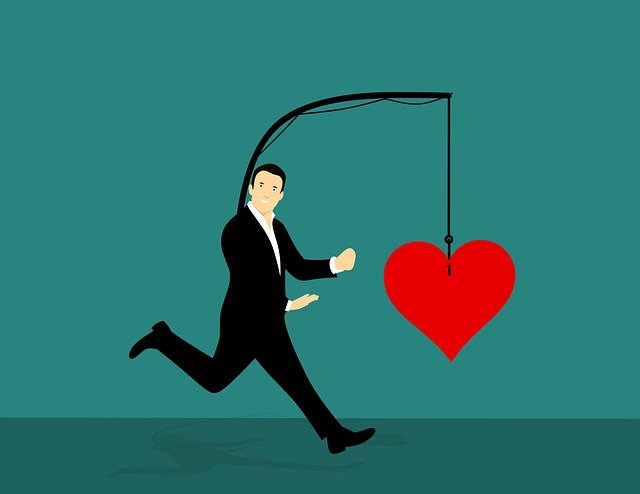
Recently I have been posting about how we are encouraged to try to find our happiness by defining what we desire and taking action to achieve it.  Today, I’m going to suggest that we stop trying to chase happiness.  We spend so much time, energy and money in trying to achieve a state of happiness but are we truly any happier?

Some nuggets of wisdom from my podcast fave (sorry if you’re getting sick of her but I find her interesting and challenging)  Tonya Leigh who suggested that we should stop chasing happiness and accept that we have different moods, sometimes things are a bit doom and gloom, and we’re not always on our A game.  These emotions should not be avoided or resisted but acknowledged and allowed.  She questioned what if we used our emotions to discover the wisdom those days hold, what if we didn’t make a negative emotion mean something has gone terribly wrong in our lives?

The chances are when we delve deeper into our emotions they can be the key to unlocking a successful life, feeling and understanding our emotions can be fundamental to our creativity and desires.

Continually trying to chase happiness can be exhausting and whilst we are intent on that, we can be abandoning taking care of ourselves.  Consider whether we are running towards something or away from something when we chase happiness.  Sitting with our emotions can be a journey of discovery of beliefs that have been holding us back, patterns that keep showing up and how we can feel an emotion without having to react to it.

TL suggested that there  will always be occasions when we are not on top of the world but that’s ok, its normal and part of everyday emotion.  However, we still get up and get on with our day.   She suggested that it was important to show up and be who you are in the moment.  Trying to be happy all the time can actually make us more miserable as we’re always striving for something slightly out of reach.  Turn the focus off of you and onto all that is around you, even when you are feeling less than 100%.

She suggested that is was normal to have negative emotions.  It’s only the meaning we chose to attach to it and that when you stop resisting or reacting to an emotion it simply becomes a feeling in your body.  She concluded that moods come and go, so navigate according to your desire, not your mood.

You could be happier if you stopped chasing happiness.

When your jeans don’t fit

Image by Couleur from Pixabay

Having just got back from a week’s holiday where we ate and drank very well, I was mildly anxious about trying to get back into my work clothes on Monday morning. I wasn’t going to deny myself the pleasures of eating out and enjoying different foods and wines.  We had everything from English, French, Greek, Mexican, Italian and Indian cuisines.  More often than not three courses too.  I also enjoyed cocktails before dinner and wine with dinner. I was on holiday.  I wasn’t going to spend it calorie counting. I’d put on about 6lb, which was about what I’d expected, knowing full well that when we got back home, I’d be back to calorie counting and being more careful what I eat.

I must admit, I was rather glad when the trousers I’d picked out to wear to work didn’t cut off the circulation. A little snugger than usual, but I could breathe.

I know that on my return to routine, I’ll get back to that sweet spot when I experience the flow of life, where I’m eating the right things in the right amounts. There was no need to spiral into doom, gloom and despair.  It’s about learning to be comfortable in your own skin, even when there’s a little bit extra around the middle.  If the trousers didn’t fit, I’d simply change the outfit.

In order to find that sweet spot, podcast favourite Tonya Leigh suggested that we need to be honest and respectful of ourselves.  What happens in our own mind is the worst thing that can happen if we let it.  It would be impossible to get back to that sweet spot if we thing of not getting into our jeans as a failure. We need to recognise that our bodies fluctuate and see it as a sign that we need to get back in touch with our body and tweak one thing at a time, rather than try to tackle it full on.

Getting to the sweet spot requires self-awareness and curiosity.  If we’ve fallen off the wagon, TL suggested asking yourself the following questions:

  1. What’s been going on?
  2. What have you neglected?
  3. What do you need to let go of?
  4. What do you need to add?
  5. What are you going to do next?

Often its about more than just food but with a new awareness and a few simple tweaks we can get back on it quickly. TL suggested that everything you desire lives within your sweet spot.  It doesn’t have to be a struggle to find it.  You can’t live in it 100% of the time; life has its ups and downs.  It can be fun to explore and be curious about yourself.  It can take a lifetime of practice to get there.  Everyone’s sweet spot is different but when you get there you can be energised full of passion and excitement and can be unstoppable (if you want to).

TL concluded that living in the sweet spot required elegance, an internal sophistication of confidence and mindset.

I am confident that by the end of the week, I’ll have lost most, if not all of that holiday gain as I’ll be back in the zone of opting for healthier foods, I’ll certainly be drinking less and not having three course meals every evening. I’ll be back in my sweet spot by the weekend.

What does your sweet spot look like?

The Nordic way to happiness

Image by Patrik Linden from Pixabay

According to Women & Home magazine Scandinavian women are amongst the healthiest and happiest in the world due to their outdoor lifestyle, diet and PMA (positive mental attitude).

These super women seem to be better at having a positive winter mindset by enjoying cold weather activities and celebrating koselig (a sense of cosiness). Their mantra being “there is no such thing as bad weather only bad clothes”.

The Swedish ladies apply life with fika, taking time out to prioritise over relaxing coffee and cake with others.

It seems that hot and spicy boudoir activity keeps stress levels low and boosts immunity and the Nordic key to this is to keep honest and open communication with your partner about your needs in a supportive and affectionate way, and often. 

Detoxifying saunas keep the Finish ladies de stressed and bonded. They tend to go starkers into a temperature of 80 degrees followed by a cold water cool off.  They also opt for whipping themselves with birch leaves in a ritual called vihta, supposedly cleaning the skin and improving circulation. 

They have a strong tradition of sports and active hobbies just for fun so they don’t see going to the gym as a chore.  Their go to activities include cycling, Nordic walking and wild swimming.

It seems the Scandinavians have figured out the art of a good night’s sleep by using separate duvets.  This puts an end to the cover stealing or different temperature controls needed.  Apparently us Brits would rather sleep in separate beds.

The Swedes love an ice dip, kallbad, or ice-bathing enjoyed during autumn and winter. It decreases tension, boosts energy and improves memory.

They eat healthily, lagom “in balance and moderation”, fresh seafood, lean wild meat, grains, seasonal vegetables, berries and superfoods.

Whilst I would be happy to embrace some of the Scandinavian way of life – I’d be happy with koselig and could combine that with some fika.  I’d be happy to boost my immunity and reduce stress levels with boudoir activity (oo er), I’d love to take a sauna, but you can keep the cold dip afterwards, and the vihta.  I think the idea of separate duvet covers is genius. As a women “of a certain age” I’m sure my overall temperature is on the rise and we often battle over whether the duvet should be on or off or somewhere in between.  I’d much prefer that to separate beds for sure.  I certainly won’t be trying out kallbad, a water phobia puts pay to that. And with some moderation I would happily indulge in logom

How will you embrace a Nordic lifestyle?