6 Mantras for turning FOMO to JOMO

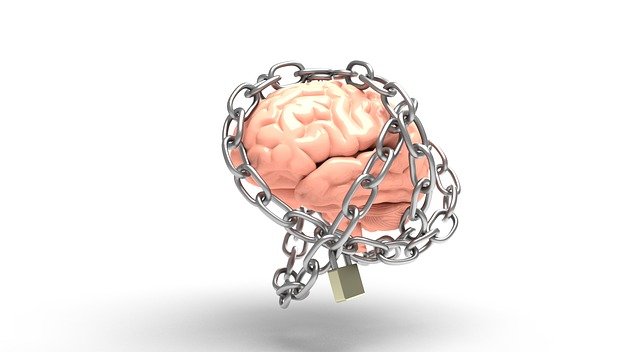
Image by 3D Animation Production Company from Pixabay

Do you ever get conflicted when offered an invitation which either conflicts with something else, or you don’t really want to do but you know everyone will be talking about it and you want to be able to join in?

The Fear Of Missing Out (FOMO) effect has really taken off in recent years, especially with the advent of social media.  People are worried about not knowing the latest gossip, not having the latest thing, not being part of a collective.

FOMO now has a dictionary definition of the fear or anxiety that an exciting or interesting event may be happening elsewhere, often aroused by posts on social media.

FOMO manifests in many ways.  Podcast fave Tonya Leigh suggested this could be like picking up your phone first thing in the morning, before you’ve even given your loved one a hug, so you can check out what happened on social media whilst you were asleep. Or refreshing emails every few minutes, must in case, or staying at an event long after your bored just in case something might happen.  You even say yes to things your body is clearly telling you no because you don’t want to miss an opportunity.  Maybe you spend more of your life in your social media world than in your real one.

A serious case of FOMO can induce total indecision, the inability to make even simple choices about everyday activities like what restaurant to eat at or what film to watch.  The irony is we may fear missing out so much that we actually do end up missing out. We can legitimise our FOMO by thinking there are so many opportunities and not enough time, framing it as a passion for life makes it feel normal.

TL suggested that if you’re suffering from FOMO you need to admit you have a problem. If you’re disconnected in relationships, anxious, have unrealised dreams, unfinished projects, ask yourself if you’re doing it out of love or fear.  We should not be making decisions based on trying to outlive others.  There’s always going to be someone doing something cooler than you.

When we trade FOMO for JOMO (Joy Of Missing Out) TL said you gain pleasure from enjoying this moment, where you are right now, without worrying about what other people are doing.  Make your inner world more important than anything else that’s going on outside of you. This could show up as feeling so grateful you have many opportunities and knowing that you really can’t choose the wrong one; you’re going to learn something new no matter what.

Here are TL’s suggestions for turning your FOMO into JOMO:

  1. The party is within you.  No matter where you are you will experience fun and joy because that’s what you get to bring to every moment.
  2. You’re always where you are supposed to be.  It’s where you are in this moment.  If you were meant to be somewhere else, that’s where you’d be.
  3. What’s for you will not pass you.  Honour your soul and intuition.  If there’s an opportunity out there for you it will find you.  You don’t need to go looking to try to make it happen.
  4. Disconnect. When you’re tied to technology you need to remind yourself to step away.  Turn off the phone, shut down the laptop and disconnect for the noise of the world, and connect to yourself and the people you love the most.
  5. This is your life.  You get to choose how you spend your time and invest in people and causes you care about the most.  Make choices that energise you, not drain you.
  6. Slow down.  If you continue to race towards the wrong things you will crash and burn eventually.  Take in this moment.  Be present. Fully experience your life as it is right now.  What if this moment is the best thing ever and you don’t realise because you’re speeding through it?

I admit to not being bothered too much about FOMO.  There are some things I do out of supporting others that I might not necessarily what to do, but not because I’m worried I might miss out on something.  I’ve attended work social events in the past because it was expected, rather than because I wanted to, or because there might be some gossip to be had the next day. I’m not bothered what everyone else has got; our situations are different.  If someone else has the seemingly perfect lifestyle, well good for them, I hope they’re happy.  If someone else has achieved something I haven’t, it’s probably because they put the effort in that I didn’t and they deserve the accolades that go with it.

I have experienced opportunities coming my way just at the right time.  A few roles I have at work have come along just at a time when I needed to move on either to something that would stretch me more, or get me away from a situation that wasn’t healthy. 

Sometimes it can be difficult to spend time with people you would rather choose to be with.  Time, distance and responsibility can get in the way. Whilst you may wish to spend time with them, they might not wish to, or be able to spend time with you. I would love to spend more time with R, but we live 85 miles apart and both have jobs that we need to attend.

I think my mantra would be something like “you do you, I’ll do me”. That way, I’m not influenced by anyone else, jealous of anyone else or trying to live a life through them or in competition with them. 

What would your mantra be for turning your FOMO into JOMO?

“For if a lion knew his own strength “

Marianne Williamson said: “Our deepest fear is not that we are inadequate. Our deepest fear is that we are powerful beyond measure. It is our light, not our darkness, that most frightens us. Your playing small does not serve the world. There is nothing enlightened about shrinking so that other people won’t feel insecure around you. We are all meant to shine as children do. Its not just in some of us; its in everyone. And as we let our own lights shine, we unconsciously give other people permission to do the same. As we are liberated from our own fear, our presence automatically liberates others”.

I read that quote several times over. It struck a bit of a chord. How much have I been holding back from others, when actually I’m holding back from myself.

Bizarrely my first thought was about Henry VIII and when he first started to flex his muscle in his Tudor court. Thomas More had once counselled Thomas Cromwell that by all means tell the king what he ought to do but never tell Henry what he was able to do “for if a lion knew his own strength, had were it for any man to rule him“.

Over the last 20 or so years I’ve been told numerous times how I could achieve greater things if only I had self belief and confidence. It seems others see in us what we don’t, or are reluctant to see.

My imposter syndrome often holds me back. The fear that I’ll be found out as a fraud and totally incompetent. Sometimes the words or actions of others has held me back. Whether they don’t believe I could succeed, or they don’t want me to succeed.

There are still certain people who hold that power over me and I can feel myself physically shrinking. Their tone of voice and ability to make me feel I’ve done something wrong even when I had nothing to do with it, can make me crawl under a rock and hide. Then I tend to shut down because anything I say from here on in is going to be shouted down. Even when I’m absolutely right about something, the other person’s responses can make me question myself. Even when they’ve googled it, found that I was correct, they still don’t back down or admit I was right.

There are some occasions now where I’m flexing my inner lioness. When I absolutely know I’m right, sometimes I will stay and argue my point. But there are times when I feel its really not worth it, so I’ll shut down. If it makes the other person feel better about themselves to try to be superior, even when they’re wrong, there’s no point in challenging it.

More recently I’ve been trying ways to crawl out from under my rock by acknowledging my own preferences and saying no when I don’t want to do something, watch something, or go somewhere, both at home, work and in my social sphere. I’ve started to read, watch and do things that I might actually find some joy in.

I have also started to become more vocal and confident about things that challenge my values and beliefs. Don’t get me wrong, I’m not shouting from the rooftops or banging my drum, but beginning to recognise where I can have some control over my own decisions, rather than doing what everyone else wants.

I might not be ready to roar just yet, but my growl is getting louder.

Meditation and Mindfullness – there’s an app for that

Image by Pexels from Pixabay

The benefits of daily meditation have been widely documented in scientific journals, but according to Bryan Lindenberger only a small fraction of adults actually do it regularly, despite the health and wellbeing advantages.

As with most things these days there are apps that you can download that help, can be personalised to your particular mental wellbeing goals.  Some apps track your wellbeing progress and can adapt to your changing circumstances.  Meditation has been noted to have helped millions of people to overcome depression, relieve stress, sleep better, develop mindfulness, reduce anxiety and increase focus.

If you’re new to the whole thing, some apps offer guided meditation, helping you through the techniques of basic relaxation, breathing and mindfulness exercises. There are free apps you can download from your app store whilst others have limited free content before they start to charge for deeply personalised approaches.

Lindenberger evaluated some of the main apps that are available:

Headspace – makes your happiness its goal, leading you through mindfulness, resilience and happiness.

Calm – the most popular app for meditation, sleep and relaxation, designed for beginners and advanced users.

Insight Timer – teaches self-love through guided and unguided sessions.  With 100,000 meditation and music tracks it has the largest free content, but you can pay for offline sessions.

Balance: Medication and Sleep – our moods change all the time and this app promises to adjust with you.  Each day you answer questions that allow the app to choose the right meditation for your mood.

Ten Percent Happier – This was number one in the New York Times meditation guide.  This app is for the beginner and helps with stress relief and finding focus.

Breethe – includes meditations, hypnotherapy, nature sounds, masterclasses and more.  You can set morning alarms and reminders too. Ideal for those new to mindfulness and meditation.

MyLife Meditation – mostly free, offers guided deep breathing and meditations focusing on relieving stress, with a series on eating and journaling.

Aura – designed for the busy. Meditations can last all night, or as little as three minutes, including life coaching, hypnosis and bedtime stories.

Buddhify – a low single cost app for beginners, with a colour wheel to help choose your meditation intuitively.

Healthy Minds Program – 100% free with decades of research to back it up, to help you gain focus, improve resilience, reduce stress and stay motivated.

Medito – also 100% beginner and intermediate courses specifically dedicated to stress, work-life balance, sleep and stories.

Meditation by Soothing Pod – totally free, no subscription with calming stories, soothing music, and nature sounds.

Mesmerize – for the more visual person with hypnotic images and calming music to guide you to peace and relaxation.

I have Calm on my phone and have done some of the free, very short meditations whilst hiding out in the toilets at work, but most of it required payment, so I usually just use it to check in with how I’m feeling.  My Fitbit also has a Relax mode which you can set to three or five minutes and breathe along in rhythm, which is supposed to help lower your heart rate.  I’ve done the three minute one a few times, but honestly, just keep forgetting about it.

What apps do you use to help you stay calm, focussed, relaxed and motivated?

10 Ways to create beauty from the inside out

Image by Fernando Zamora from Pixabay

I dare say a lot of us want to feel beautiful, even if its not all the time, there’ll be times when we want to feel and look beautiful.  But beauty is so much more than appearance. It’s about the energy that radiates from the inside.

We can use all sorts of potions and lotions to try to create our interpretation of beauty, and it can cost a fortune.  Podcast fave Tonya Leigh suggested that the most radiant beauty comes from focusing attention on tending to our bodies and attitudes with the best care possible.  It boils down to health and wellbeing.   She suggested ten beauty hacks that worked for her whilst acknowledging they may not work for everyone, it’s about finding out what works for you:

  1. Start the day with meditation.  When we start to get skin breakouts or bags under our eyes, consider the associated stress levels.  Stress is a dominant emotion, useful in protecting us from danger, but constant stress can lead to wearing you out emotionally.  This then starts to manifest in our physical and mental health.  For some meditation can seem silly and difficult to focus on without distraction, but it has been proven to help improve health, quality of life, creativity and productivity by calming the mind.
  2. Consume a scoop of collagen daily.  Collagen is the most abundant protein in our bodies and helps with skin elasticity and replaces dead skin cells. TL found that within a week of adding a scoop to her daily smoothie her hair texture improved and crows feet started to fade.
  3. Drink a tablespoon of apple cider vinegar in water daily.  It’s been known to treat everything from blood pressure to supporting detoxing.
  4. Drink lots of water.  Being dehydrated makes us feel sluggish, our skin becomes drier, and we don’t think as clearly, our body aches and eyes look sunken.  Keep a water bottle to hand throughout the day; add a squeeze of lemon juice to liven it up.
  5. Sweat it out in a sauna.  Sweating is an ancient Roman, Greek and Native American tradition.  The skin is our largest organ and sweating is the best way to detoxify our bodies.  Sweating can help dissolve harmful substances that accumulate in our bodies and revitalise our cells and metabolism.
  6. Eat and lather up with coconut oil.  Hydrating skin is important and coconut oil can be put on your hair to create a mask, mixed with sugar to create a body scrub, used straight after a shower to lock in moisture.  Cooking with coconut oil is also beneficial or adding a tablespoon to a daily smoothie.
  7. Soak in a detox bath.  Once a week add two cups of Epson Salts and a few drops of essential oil, like lavender to your bath water to create a luxurious bath.  Essential oils provide antimicrobial, antioxidant and ant inflammatory benefits.  Epson Salts claim to flush out impurities, although there’s little evidence to support this.  However, users claim to feel more relaxed and rejuvenated afterwards.
  8. Eat an omega 3 rich diet.  There are lifestyle choices we can make to support our cognitive function; one is to ingest more omega 3.  People who follow this kind of diet claim to suffer less from anxiety and depression.  It can improve eye and heart health, reduce inflammation, fight age related mental decline, improve joint and bone health and enhance skin quality.  This can be achieved either with a daily supplement or eating fresh fish, like salmon, once a week.
  9. Get moving.  It improves circulation, lowers stress and creates an overall sense of wellbeing.  Exercise out of love not fear of gaining weight or not being good enough.  It doesn’t have to be radical; a simple walk, yoga or dance class.
  10. Celebrate every single day.  The truest form of beauty is your state of being.  Instead of focussing on lack or what’s missing, celebrate your blessings and what’s abundant. Gratitude is a great way to create an inner state of wellbeing.  Even if you’re in a tough place there is always something to celebrate; a sunrise, the aroma of your morning coffee.

To feel beautiful look for beautiful things, the good things, the blessings that are all around us.

I follow no particular beauty regime.  I’m allergic to a lot of things, and I feel that most of it just clogs my skin up even more.  Besides the fact it can be expensive and show little evidence of actually doing anything.  The most I do is use a cleaner, moisturiser and occasionally a deep penetrating face mask.  I do use coconut oil on my legs now as they tend to be the driest, and the focus of my urticarial; it does help a little, but wouldn’t want to eat the stuff.

I’ve heard more and more about the benefits of taking a collagen supplement, presumably as I’m a woman of a certain age now my social media news feeds tend to have something almost daily.  I have started to consider whether this would be beneficial.  I may try it and see. On the other hand, I’ve heard conflicting evidence about apple cider vinegar.  Is it just one of those latest fads?

I do already drink a lot of water. TL suggested that it should be filtered to take out the impurities, but I guess it depends on the quality of water where you live.  Where I am its pretty good and I don’t support spending money on bottled water to feed the corporate fat cats, when what comes out of a tap is perfectly adequate.  I have an 800ml water bottle that I fill up each morning and take to work.  I get through that during the day, then drink a further two or three big glasses of water of an evening.

I used to love the sauna at the gym.  In my younger years when I had time and energy to go to the gym, my favourite part was actually spending ten minutes in the steam room, followed by ten minutes in the sauna.  I felt really cleansed, warm and relaxed afterwards.  Apparently there are infrared saunas that recreate the sweating that can either be a built in thing for a few thousand pounds, or you can get ones that look like little tents, that plug in for a few hundred pounds.

I used to love a Sunday evening soak in the tub but haven’t done this since living in this house; getting on for 26 years.  I didn’t like our bath tub, it was too long and I couldn’t comfortably recline with my feet touching the end.  We’ve since replaced the bath and it’s much shorter but I got out of the habit of taking a soak.  Maybe I should start again.

I have started eating a bit of salmon, not quite every week though as it’s not my favourite.  I have tried to introduce fish into my diet, along with my fruit and veg intake.  We generally have something with fish in it once every couple of weeks. 

I’m not a great fan of taking supplements.  I did try it once, but kept forgetting to take them as I don’t really like taking pills and potions.  However, as I start to get older and things start to seize up, or get a bit saggy, or I get more tired, I’m wondering whether they’re worth it.  Let me know your thoughts if you do take them.  What do you take?  Did you notice a difference, or is it all placebo?

I do try to get out for a walk every day.  It has added benefits of taking a break from the desk.  My recent walk was lovely and autumnal.  It was a bit windy, but not cold. Leaves were falling from the trees and I even managed to capture a slow motion video.  Just being out and about it good.

I never really got into the whole gratitude diary thing but that doesn’t stop me thinking good things.  I have a lot to be grateful for; sometimes that can just be getting through the day.  There are so many little wins, from completing a task, to having a positive interaction with someone, to smelling my morning coffee aroma, to having my dinner made for me, to having a job, a home and a family.

What would be your inner beauty recommendations?

Alfred the Great, maybe?

Image by Hans Braxmeier from Pixabay

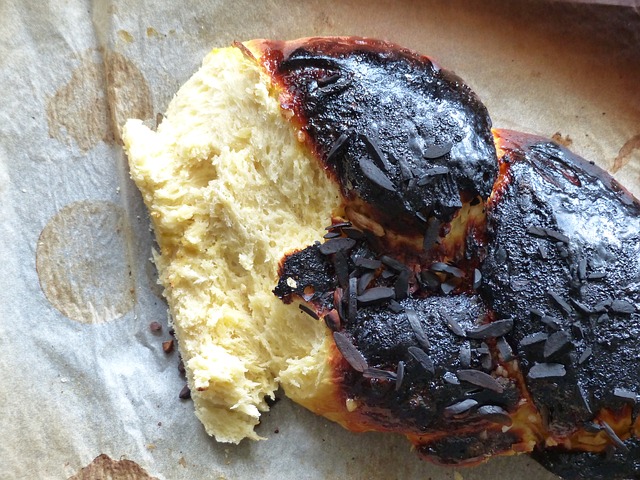
Alfred the Great is synonymous with burnt cakes. It seems to be the one thing that people remember most about him.  Whether or not you know the actually story behind it, you know his culinary exploits left a lot to be desired.

My reading material took a surprising twist this week as the latest editions of the various magazines I regularly purchase haven’t come out yet and I’ve finished everything else.  I bought a copy of National Geographic’s History and a copy of BBC History Revealed.  Primarily because NG’s headline article was entitled “Apocalypse – medieval visions of the end of the world”, which sounded quite fun, and the BBC HR headline article was “Your Essential Guide to the War of the Roses” which appealed to my inner Tudor history nerdiness.

However, before I got to either of those articles, I read one about Alfred the Great’s exploits, written by Nige Tassell.  Now, this period of history is way before my interest is piqued, however the connection with the aforementioned cake burning label attracted my #baking interest.  I’ve often heard my parents talk about cooking disasters as “doing an Alfred” and other than hearing he burnt some cakes, didn’t know anything more of the story.

So, here goes.

Alfred, youngest of five sons to King Aethelwulf of Wessex was born somewhere between AD 847 and 849 in Wantage. Three of his older brothers were king before he got there in AD 871. He was plunged straight into war with the Danish Ivar the Boneless (awesome names) who wanted to get his hands on Wessex.  Only a month into his rule, Alfred lost a batted near Salisbury and was forced to make peace with the Danes. 

Five years later the Danes were back having another go under Guthrum who managed to capture and blockage Wareham, which Alfred could not overcome.  A flimsy peace was brokered based on a hostage swap but the Danes killed their hostages and high tailed it to Exeter.  However, Alfred managed to outsmart them and after besieging the city, forced the Danes back to Mercia and submission; using brain over brawn.

Not to be outdone, the Danes attacked again, this time Chippenham in AD878, where Alfred has his Court. Alfred’s wife and children were spared but Alfred did a runner with a small band of supporters and went into hiding in Somerset, where he spent a troubled time foraging openly and stealthily from the heathens. This is where the famous cake incident happened.

Legend has it that in return for shelter, Alfred was put in charge of looking after the baking whilst the housewife went out to gather firewood. It seems Alfred’s mind wasn’t on the job and whilst he was focussing on tactics to overthrown the Danes, cakes were left unattended. However, Tassell wrote that this story didn’t come to light at the time as being recorded in Alfred’s biographer’s writing but some 100 years later.  The whole cake burning escapade may not be true.

The good news is that Alfred did managed to overthrow Guthrum and formed a treaty that saw Gurthrum convert to Christianity and become Alfred’s godson.  It meant the division of Mercia with each ruling half of the kingdom.  Alfred set about restoring domestic agenda, rebuilding, teaching English and drawing up a code of law.  Alfred died in AD 899 with half his previous kingdom still intact.  It wasn’t until the 16th century the title of “the Great” was bestowed on him for saving his nation.

So next time I singe the edges of a cake, or burn my dinner, I’ll think twice of comparing it to “doing an Alfred”.

Case study testimonials – a good PR opportunity

Image by yogesh more from Pixabay

A case study or testimonial is a great way to share a story. It gives the opportunity to research into a particular person, group or situation over a period of time and can be used to support and illustrate a principle or hypothesis.

As I’m developing some public relations work for various #bellringing events, the use of testimonials and case studies would be a great tool to have.  For example, one of the things I want to start pulling together ready for next spring is some stories from bellringers who rang for the Queen’s coronation who are still ringing now and likely to ring for her Platinum Jubilee next June.   That would make a great story for the press and an inspiration to others.

One of my LinkedIn gurus is a copywriter who shares useful tips each Tuesday.  This week’s was all about case studies where she offered ten tips:

  1. Ask if they would like to be featured first.  Explain what you plan to do and where the story is likely to appear.
  2. Get their approval to proceed in writing.  No just the contact you deal with but senior level if necessary.
  3. Devise a detailed list of questions you want to ask and send them in advance so they can think about their answers beforehand.
  4. Do the interview and don’t be afraid to ask them to explain jargon or technical terms. 
  5. Organise the case study according to:
    1. Problem: what issue had they experienced?
    1. Solution: why did they choose a particular path/product/service?  Why was it better than other solutions?
    1. Results: what was the outcome?  How successful was it and what would they do differently next time?
  6. Get them to sign off your piece in writing to confirm they agree what you’ve written.
  7. Ask for good quality photos to accompany the piece or arrange for some shots to be taken.
  8. Promote the case study to create as much awareness as possible for your story.
  9. Show the finished case study to your interviewee so they can see the finished article.
  10. Don’t forget to use quotes from your interviewee as testimonials elsewhere.

This would certainly be helpful for developing the Jubliee stories, and other stories associated with the benefits of #bellringing, but could also be used in developing recruitment and training advice.

I have conducted a few interviews with local ringers and uploaded them to our YouTube Channel https://www.youtube.com/channel/UCwQcGeDDYSzKVw-m4huwKZw The stories some told were really interesting and inspirational.  I enjoy listening to anecdotes and what people got up to in their early ringing careers. Ringing adventures seemed to be more idyllic, daring and audacious.  I’ve heard stories of people who cycled miles and miles over hill and dale just to go ringing; it all sounds terribly romantic and out of a Jane Austin novel.  I’m sure at the time it may have been anything but, and a bit of a slog really, but that’s what you did in those days.  Maybe things are still adventurous, daring and romantic today but I’m just not in those groups. Maybe things are just so much more accessible that the adventure isn’t quite the same.

10 Life lessons learned

Image by Harish Sharma from Pixabay

Podcast fave Tonya Leigh has been talking about learning life lessons from her early years as a pageant princess and how they translate to her life in adulthood.  She suggested:

  1. Following your dreams is uncomfortable.  It takes practice to break through event when we’re scared, trying to hold it together.  Practice and hard work pays off eventually.  We procrastinate and divert ourselves because it’s uncomfortable to go after our dreams.  Instead of shrinking from emotions, feel them, show up and do it anyway.
  2. People will judge you.  Make peace with it.  People are always going to judge or compare you with others or themselves.  You get to be a winner despite what others think. To avoid judgement you’d need to lock yourself away and never come out, but then someone would judge you for doing that too.  Expect to be judged, that way you won’t be caught off guard.  Their judgement says more about them than it does about you.  What you think of you is what you should be more concerned with.
  3. You will fail.  Along that journey you will meet amazing people and learn more about yourself by continuing to get back out there.  Ask what you failed at this week.  Avoid getting cosy with only the things you succeeded at, but be comfortable with failure and what you learn from it.
  4. Allow yourself to shine.  Whether it’s on stage, in the kitchen or at the office, notice where your heart comes alive and have the courage to stand in your spotlight, even if you knees are shaking.
  5. People may leave – let them go.  Over time we lose friends but don’t let them stop you from doing the things you love.  Don’t let that stop you doing your best.  You don’t need to apologise for being you. Don’t dull your shine in order to fit in to be accepted.  New faces will arrive that support you.  Those who truly love you will stick by you and those that only love a version of you that you no longer want to be, will leave.
  6. Be a queen and surround yourself with other queens.  Stand tall and be proud of where you are.  If you surround yourself with other queens, you won’t be in competition with each other because you’re all wearing a crown.  Cheer each other on, call each other for support, enjoy being together.  Believe in yourself, show up.  It’s hard to find others who don’t feel the need to compete, who cheer each other on, who are supportive, focus on living a well lived life, who are like minded.
  7. Miss Congeniality never wins. Being the nice girl, in with the in crown is hard work.  Thinking that in order to be successful, people have to like you is not healthy.  The reality of it is you can’t be effective if you’re struggling between your values and whether you’re like or not.  Stop trying to win Miss Congeniality to serve yourself and others, start being Miss You.  People will always challenge and disagree with what you’re doing.  Be kind but don’t be nice to your own demise.  Be true to yourself.
  8. Jealousy and envy are toxic.  Harbouring envy only hurts you.  Learning from your jealousy can inspire you.  If you’re jealous of who or what someone else is, learn from them.  There’s nothing wrong with feeling envious but don’t let it tear you or the other person apart just to make you feel better.  Look at what they are showing you that you want in your life, investigate where you’re holding yourself back, go out and get it. If you’re on the receiving end of jealousy it’s not about you.  You’ve just triggered a deep desire in someone else.  Extend compassion to those who are envious of you.
  9. There’s more than enough success to go around.  Another person’s success does not take away from yours. If we see someone else’s success we’re more likely to feel excited by it and inspired by it.  Don’t use someone else’s success to play the victim in your own life. Celebrate others’ successes with them and see how it transforms your own life.  What you throw out comes back.  Don’t use your success to feel guilty.  Be proud of yourself and what you’ve created.  You did the hard work, felt uncomfortable, overcame setbacks and self-doubt, showed up and took action.
  10. Your essence is everything.  It doesn’t matter what you’re wearing or who is paying for your education, your essence is what owns your space with confidence and a head held high.  Who you are being more important than what you’re wearing or doing.

I often worry about people judging me, but then I do fall into the trap of judging others.  I am more conscious of when that happens now and try to stop myself before I say anything. I am better at recognising that judging someone can be hurtful.

I am not very good at shining.  Someone once said to me that I inspired them.  My imposter syndrome made me want to curl up and die.  There’s nothing I do or say that could possible inspire anyone. I’m not that important, or clever.

I have let people go who no longer align with my values. 

I do occasionally get jealous of other people, but then I try to remember they are only showing you the best version of themselves, the edited highlights.  You don’t get to see the pain, emotion, financial issues or things they had to struggle with to get to where they are.  I try to celebrate other people’s successes as much as possible and be happy for others achieve. I don’t think anyone has ever had cause to be jealous of me but I would hope that if I identified that, I would not be smug about it and show some humility.

I occasionally get praise for something but I find the whole thing embarrassing and usually shrug it off with “I’m just doing my job”.    There are things that I’m proud of that I’ve achieved, but had it been someone else, I’d have been equally proud of them for doing it. 

I am going through this whole journey of self-discovery, and still get things wrong sometimes.  I am trying to own my space, be confident and hold my head up.

Which of these was hardest for you?  Which one do you want to focus on practicing?

What you need to know about the past

Worrying about things that happened in the past, whether its not hooking up with someone, not eating before going to the party, not finishing school and going to university, not saving money for your future, letting your child do something stupid, is hard to move away from. Especially when other people want to keep bringing it up for you.

Podcast fave Tonya Leigh suggested that we spend more time thinking about our past than where we are now and where we’re going.  When we do talk about our past it’s often in a negative way.  We don’t highlight our wins and celebrations in the same way.  We hone in on all the things we didn’t do so well, or reject not doing.

Past thinking is a habit that doesn’t serve us well. We should try to stop living with regret and start living with delight in the right now and excitement for the future. The past only exists in your mind and we you keep playing it over and over, it holds us back. If we stop hitting the repeat button it would be over, and you’d be open to so many more possibilities.

What happened ten seconds ago, ten minutes ago, ten hours ago, ten days ago, ten months ago and ten years ago is done.  We need to stop hanging around in the past if you want to create a new future.

Talk about the here and now and where you’re going.  Talk about your dreams, not your past failures.  Read books that excite you not that remind you of who you were in the past.  Think new thoughts and stop playing the old ones.

It’s impossible to move forward when you’re stuck in the past.  Be the person who is not defined by your past.  Appreciate where you are now; be inspired by a new future.  Don’t use the past as an excuse for lack of success.

I really struggle with this at times.  As a ruminator, I go over things again and again.  Conversations that didn’t turn out the way I thought they would.  Things I did I shouldn’t have, and things I didn’t I should have.  People from my past often crop up, sometimes in the most unusual situations.  Sometimes I’ll reminisce with fondness, other times with dread, regret, shame or humiliation.  I often live with the “if only” scenario of whether I could have said or done something different, would there have been a different outcome.  Knowing what I know now about people from my past and current lives, would I have still followed the same path?

Who knows, is the answer.  I can’t change what has happened in the past and I need to learn to move on from it and embrace the now, and look forward to the opportunities of the future. 

The past is over.  Move on.

Setting a good example

We often hear of people in the public eye being either applauded or lambasted as being a good or a poor role model. As parents we try to be a good role model to our children. As leaders we aim to set good examples to our staff and colleagues. We were probably influenced by our parents, teachers, friends and to some extent people in the public eye.

Its not just about having good manners, saying your please and thank yous or waiting for a green light at a zebra crossing. There are plenty of ways we can be a shining example.

Health & Wellbeing magazine said we learn from others when we observe how people deal with tricky situations, or how they pick themselves up after a setback. How we respond to figures that others look up to by being mindful of potential influences makes a difference to how their values might be embraced.

Positive role models don’t just talk the talk. They balance their values and beliefs, what they say and what they do. Going through lifes challenges with a level head, optimism and empathy rubs off on others.

There are some simple behaviours that can be incorporated into daily life that bring out best versions of you:

  1. Admit mistakes – talk through things if they aren’t going right. The solution may be staring you in the face. Let others in and let others see you reaching out.
  2. Be vulnerable – be honest with yourself and others. Let others see that vulnerability can be a strength in your relationships, solve problems and cultivate compassion.
  3. Have a problem solving attitude – role model candid conversations about tough subjects. Show people in your life that with some brainstorming anything can be resolved.
  4. Show respect and kindness – its important for everyone to see examples of kindness and respect to others. We learn kindness by seeing it in others.

We may like to think of ourselves as good role models but can we honestly say we are all the time? I know I don’t always show my best. I give what I get and sometimes find it hard to be the grown up.

A busy day not at the office

Well, not that one anyway.  I obviously seemed in a productive mood on Friday, even from the moment I woke up.

We had a virtual #bellringing session at 10.30am but even before that I’d made a start on drafting a report that I wanted to get written.  I had the results of a competition I’m running to share and that involved writing articles, emails and purchasing online prizes.  I’d done most of that before #bellringing.

Ringing finished at 12 noon and after a brief chit chat, I went to the kitchen and cracked open the latest green box from BakedIn which had arrived that morning.  C had already bought the fresh ingredients needed, so I had everything ready to start baking.  I peeled and chopped a large cooking apple, made the cake batter, combined them.  The cake was baking whilst I made the toffee sauce and the buttercream.  For some reason I really can’t make toffee sauce.  My sugar water never goes a lovely amber colour before the sugar starts to crystalise, so I end up catching it early, adding the butter and cream and the darkest I get is a pale beige.  Tasted ok though.  Cake made and, in the fridge, ready for the weekend.

Back to the in box.  I have several.  Three different #bellrigning accounts plus my personal account.  I blitzed through a pile of emails that were either for information or needed a quick response from me.  Then set about dealing with the more complicated ones.  Some required further enquiry.  Some required me to write another article and send that off.  I currently have two articles awaiting publication in the Ringing World from different roles. 

Speaking of being published, I was quoted in last week’s Sunday Express.  The article was about getting more young ringers. I spoke with the interviewer at some length about the Ringing World National Youth Contest and the Young Change Ringers Association, neither of which were mentioned.  I also pointed her to our website where she could download decent photos of bells and ringing but instead, they chose a photo of a European style bell.  Well, at least we were in the national press again.

I needed to arrange several meetings, so Doodlepolls duly issued. Action Logs updated and circulated. I even remembered to ask for some details to be updated on a website and was given access to be able to do it myself.  Oh, the power!  It made much more sense to be able to update minor things like that myself than have to keep asking the webmasters to do it for me.

I managed to cross so many things off my To Do List I need to start another page and write out what’s left.  Several of the things I’d accomplished will result in further work but for now they are with someone else to deal with and I’ll pick it back up later.  I even dared to chase the Church of England about something too!

I really had no concept of time.  The day flew by.  So much achieved.  A good day at the office I feel. At least I can now relax for the evening not worrying about the long list of things I still need to do.  I only have a short list now!