
When life gives you lemons

Sometimes life with throw you a curve ball.  A set back on reaching your potential, or your goals.  But a slight shift in mindset could be all it takes to find and keep resilience to persevere and bounce back.

In an article in Red magazine the offer four healthy habits for a physiological response to stress for your bond and mind.

Basically, resilience is the ability to pick yourself up and dust yourself off relatively quickly after a trauma, setback or everyday disappointment.  Some people seem to be more resilient than others but its not genetic and not something we are taught.  Resilience is a set of coping mechanisms that develop over time and determined, in part, by how we take care of ourselves, the people we have around us and what we do to find purpose and meaning in our every day lives.

According to the article roughly 40% of our overall happiness is derived from our own actions, and resilience is a part of that. Obviously its one thing to bounce back from broken washing machine, and quite another to try to find happiness again after the loss of a loved one.

The techniques are the same though no matter what you’re dealing with.  Here are the four healthy habits for building resilience:

  1. Rest and recharge – when we sleep our brain sorts and files our thoughts and experiences of the day away, giving you a fresh perspective to allow you to problem solve.  Sleep can bolster your immunity, and its easier to pull yourself together emotionally when you’re not feeling run down or sick. 
  2. Move your body – the recommended daily dose of exercise is 30 minutes a day in order to trigger the feelgood endorphins that quiets negative thinking.  Regular exercise can also help boost your mood and supports the treatment of depression, helping to maintain a positive outlook.
  3. Just breathe – meditation can be a simple as focussing on something for a few minutes, like your breath or a calming word or phrase.  Practicing meditation regularly may shrink the area of the brain associated with emotional processes, reducing stress and anxiety, and can even change electrical activity in the brain, making you more alert and calm.
  4. Eat enough – your body needs sustenance.  When food is scarce your body will divert what energy stores it has to the essential organs, leaving the brain hungry.  The brain needs at least 20% of your calory intake to be able to problem solve effectively.

I don’t have a problem resting and recharging, I can fall asleep anywhere, anytime.  Whether its quality sleep though is a different matter.  I find I’m waking up during the night more often these days, but that’s probably partly to do with the fact I fell asleep at 9pm on the sofa, and partly because I’m a woman of a certain age.

I try to get in a 20-30 minute walk every day if I can.  I don’t always feel better for it but make myself do it anyway if I get the opportunity. 

I’m not a fan of meditation.  I’ve tried it many times in many different forms but my mind has too much going on in it and I can never settle.  And when I do start to feel myself settle, I start thinking of all the things I should be doing instead. 

Eating enough has never been an issue.  But its about getting better at what I eat, not how much or how often.  Last year I started to introduce some fruit into my diet, being a life-long fruit hater.  I now regularly have grapefruit and blueberries with my breakfast.  I often have an apple at lunchtime, and when softer fruits are in season I’ll have strawberries, raspberries and some others too.  But I do still like cake, biscuits, bacon sandwiches and all the naughty stuff too.  So if I’ve eaten a lot and my brain needs 20% of those calories, no wonder I can sometimes be a fat head!
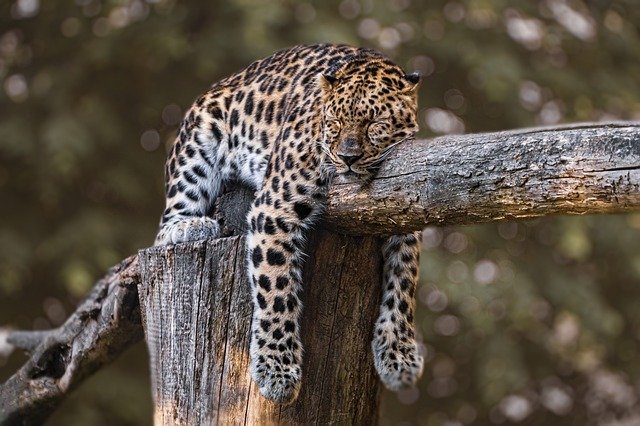
4 Types of tired

Image by edmondlafoto from Pixabay

I find that if I’m up late for a few nights in a row, I get exceptionally tired, so much so that I can fall asleep almost as soon as dinner is over, stay asleep until bedtime, then sleep right through to the alarm the next morning, and still feel tired.  I also find that I’m tired more during the darker winter months.  I wouldn’t say that I suffer from Seasonal Adjustment Disorder as it doesn’t get me down particularly, but I think my mind says “it’s dark, must be time to sleep”, and when dark happens around 4pm, I start to shut down a lot earlier.

An article in Top Sante posits there are four main types of tiredness but it should be recognised that with each of these types, when your overall energy level is low, you’ll reach them more quickly.  Listening to your body can help you decide what to do next, whether that’s resting or having a routine or schedule.

Signs, causes and how to help each tiredness type are detailed below:

  1. Mental tiredness – can find it hard to find the right words, brain fog or a sense of being unable to settle, often caused by anxiety patterns pushing your mind into overdrive. All you mind to rest by reducing stimulation.  Using mindless tv shows, podcasts etc may be a good way to distract your mind, allowing it to settle.  Reducing your exposure to noise and harsh light can help your brain fully rest.
  2. Emotional tiredness – being extra sensitive or reactive and feeling like you’re at your limits emotionally.  Often overact to small things and lack any kind of resourcefulness, as if you don’t have the capacity to take on anything else.  Take some time to get away from the source of emotional overwhelm by setting firm boundaries with other people, taking time out on your own and allowing yourself to feel all the feels in order to process and digest them.
  3. Physical tiredness – aching muscles and physical weakness, all you want to do is lie down and rest.  Listen to your body and allow it time for deep physical rest whilst working to build up your energy reserves so you don’t run out of energy so quickly when you’re active.
  4. Environmental tiredness – a sense of flatness, apathy, drained by all the small things.  A sense of despondency and hopelessness, spending increasing amounts of time in the same small environment.  Changing your environment can help, if you have the physical energy, like moving the furniture around, redecorating, or something as simple as lighting a scented candle.  Avoid spending the whole day in bed though, at least relocate to the sofa.

The advice the article offered was that fatigue is real and you shouldn’t try to ignore it.  Give yourself a chance to heal by understanding the underlying physical and psycho-emotional needs.

Of the four, I probably suffer with a combination of mental and environmental tiredness.  I have a busy day job, then come home to a busy home life with activities most evenings and all weekend.  I get little time to just simply sit, and when I do, I usually end up nodding off.  Environmentally, we have so much stuff in our house that there’s barely a surface that doesn’t have a pile of something on it.  I try to keep my spaces tidy, but the volume of #bellringing paraphernalia we have of one sort of another creeps into just about every room in the house.  It’s too much sometimes to look at it and wonder how the heck it’ll all get sorted.  There’s too much of it to even know where to start sometimes.  I’d love to have uncluttered floor space, a table I could put a nice vase of flowers on without running the risk of them getting knocked over, or even be able to get to the wardrobe and cupboards without having to mountaineer my way over boxes and piles of stuff.  It’s tiring just to look at it.

What sort of tired are you?

Do you schedule days off work to do other work?

Image by Sasin Tipchai from Pixabay

I am incredibly fortunate with the amount of annual leave I can take from my employer. Having been an employee for over 20 years I have racked up the maximum number of days off, plus as an office worker, I get Bank Holidays off too.  Sometimes this feels like too many days to try and fit in throughout the year.  This is particularly increased given that I do a four day condensed week.  I get the same level of annual leave and Bank Holiday leave, but I also don’t work on a Friday, so that’s like an extra day.  Worse problems to have, right?

I do find that I usually book days off when I have other things to do, like #bellringing meetings and events, baking for commissions, or as a way to catch up with other chores or must dos.  The majority of my 33 days leave is taken up for these reasons. 

Then there’s the guilty feeling of taking time off to do… nothing!  How is that even possible?  I look around the house thinking about all the things that I should do or could do now I have some time, but usually feel unmotivated to actually do any of it. 

Conversely it’s quite difficult to completely switch off  and disconnect from everything as emails and messages still ping though on the phone.  It’s a discipline that I’m not always successful at.

We have not had a holiday since summer 2019, like so many others, and my 50th birthday plans earlier this year were put on hold.  Again, we’re missing out on our usually summer holiday this year.  I have booked a week off in September though and we feel a bit more comfortable in booking something to go away for the week.

C has actually booked a hotel for the week and already I’m looking forward to getting away.  I don’t usually bother to look into the area we go to and leave it until we get there, but I’ve had a quick look at what there is in the area to visit and see, and thinking about what else we can do. 

We usually book a cottage and do self-catering, but C has booked a hotel for a change.  This means that we’ll have to eat out every evening. Oh dear, how sad!  It also means that we won’t be restricted so much by timescales and can stay out longer than we might have done if we had to get back to cook our own dinner. 

Of course there are many benefits to taking some time off including reducing stress levels, although sometimes the getting there and back can be stressful, improved mental health and motivations, greater wellbeing therefore decreased burnout, and happiness boosted by spending time with loved ones. 

I am ready for a holiday, to go somewhere else for a few days and explore, to turn the phones and emails off (except for emergencies).  We will probably still be taking precautions and using masks in public places etc, but look forward to a bit more freedom.