6 people in your corner OR 5 mentors you need?

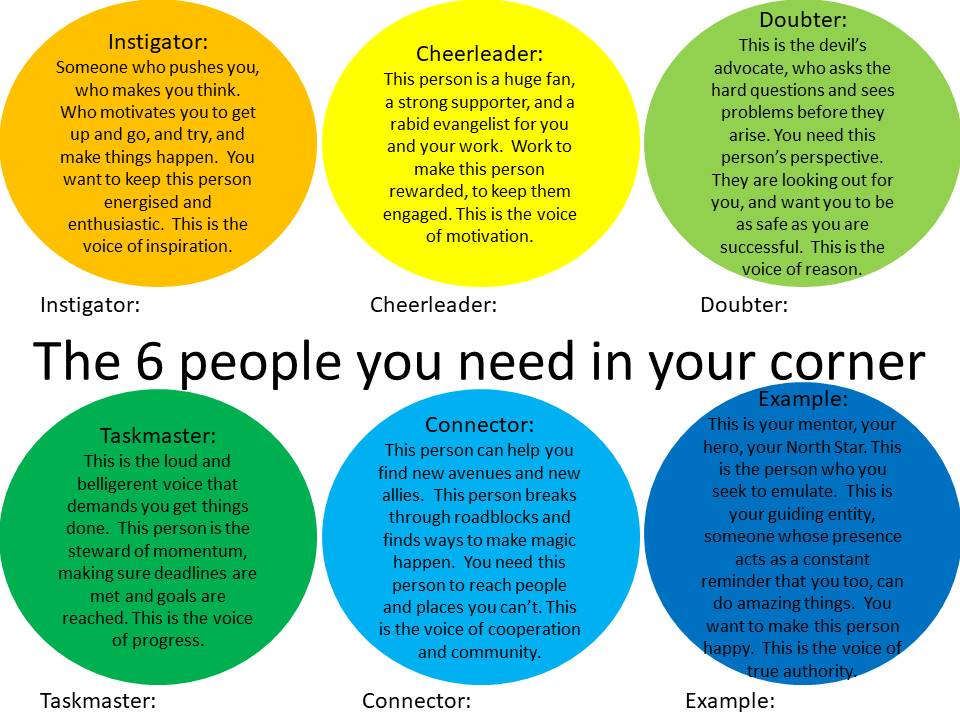
Several years back one thing I picked up, presumably from some talk or online article was the notion of having 6 people in your corner.  Basically, these represented 6 characters that would help and support your leadership journey.  They didn’t all have to be different people, although they could be, or some, or all of them could be the same person.

The 6 characters were:

The Instigator: Someone who pushes you, who makes you think.  Who motivates you to get up and go, and try, and make things happen.  You want to keep this person energised and enthusiastic.  This is the voice of inspiration.

The Cheerleader: This person is a huge fan, a strong supporter, and a rabid evangelist for you and your work.  Work to make this person rewarded, to keep them engaged. This is the voice of motivation.

The Doubter: This is the devil’s advocate, who asks the hard questions and sees problems before they arise. You need this person’s perspective.  They are looking out for you, and want you to be as safe as you are successful.  This is the voice of reason.

The Taskmaster: This is the loud and belligerent voice that demands you get things done.  This person is the steward of momentum, making sure deadlines are met and goals are reached. This is the voice of progress.

The Connector: This person can help you find new avenues and new allies.  This person breaks through roadblocks and finds ways to make magic happen.  You need this person to reach people and places you can’t. This is the voice of cooperation and community.

The Example: This is your mentor, your hero, your North Star. This is the person who you seek to emulate.  This is your guiding entity, someone whose presence acts as a constant reminder that you too, can do amazing things.  You want to make this person happy.  This is the voice of true authority.

Back in about 2009, when I first discovered this, I knew exactly who these people were.  Some of them wore multiple hats for me.  After about 2011 when I’d changed jobs, I really could not pinpoint anyone amongst my work colleagues that fitted any of those roles for me.  Happily, I am once again in the position where I can identify at least one person, even if it’s the same person, for each of those roles.

I’ve just read an article by Anthony Tjan on ideas.TED.com who suggests that we should have 5 mentors:

The Master of Craft: “If you know you want to be the best in your field — whether it’s the greatest editor, football quarterback, entrepreneur — ask, Who are the most iconic figures in that area?” says Tjan. This person can function as your personal Jedi master, someone who’s accumulated their wisdom through years of experience and who can provide insight into your industry and fine-tuning your skills. Turn to this person when you need advice about launching a new initiative or brainstorming where you should work next. “They should help you identify, realize and hone your strengths towards the closest state of perfection as possible,” he says.

The Champion of your cause: This mentor is someone who will talk you up to others, and it’s important to have one of these in your current workplace, says Tjan: “These are people who are advocates and who have your back.” But they’re more than just boosters — often, they can be connectors too, introducing you to useful people in your industry.

The Copilot: Another name for this type: Your best work bud. The copilot is the colleague who can talk you through projects, advise you in navigating the personalities at your company, and listen to you vent over coffee. This kind of mentoring relationship is best when it’s close to equally reciprocal. As Tjan puts it, “you are peers committed to supporting each other, collaborating with each other, and holding each other accountable. And when you have a copilot, both the quality of your work and your engagement level improve.”

The Anchor: his person doesn’t have to work in your industry — in fact, it could be a friend or family member. While your champion supports you to achieve specific career goals, your anchor is a confidante and a sounding board. “We’re all going to hit speed bumps and go through uncertainty in life,” says Tjan. “So we need someone who can give us a psychological lift and help us see light through the cracks during challenging times.” Because the anchor is keeping your overall best interests in mind, they can be particularly insightful when it comes to setting priorities, achieving work-life balance, and not losing sight of your values.

The Reverse Mentor: “When we say the word ‘mentor,’ we often conjure up the image of an older person or teacher,” says Tjan. “But I think the counterpoint is as important.” Pay attention to learning from the people you’re mentoring, even though they may have fewer years in the workplace than you. Speaking from his own experience, Tjan says, “Talking to my mentees gives me the opportunity to collect feedback on my leadership style, engage with the younger generation, and keep my perspectives fresh and relevant.”

They both cover a lot of the same ground but Tjan has some interesting other ideas.  I know who my Champion and Copilot are.  I think I am my own Anchor really.  I’m pretty clued up to my own values and setting personal priorities to achieve a good work-life balance.  I’m not sure who my Master of Craft is at the moment or my Reverse Mentor as I’m fairly disconnected with leading or mentoring anyone at the moment.

Do you know who you’d have in your corner or who are your 5 mentors?

Style Guru

Someone (you know who you are) came over to see me today and very kindly brought me belated birthday gifts.  They were brilliant, thank you.  However, it was what she was wearing that got most of my attention.

It looked like she’d just had her hair done, but she professes to have coloured it at home.  It looked like it had recently been cut too, but she swears not.  She was wearing a fabulous coat.  It was blue with white checked lines, a belt and collar.  To be honest, she looked very glamourous in it, not that she doesn’t always look fab, but this was really rather special.

All the while we sat and chatted I was thinking “I want that coat”.  I offered a very sincere compliment on it and how it looked on her and she told me where she’d bought it from.  I’m going to google it later.

But do I need another coat?  Probably not.  I have several lightweight jackets.  I have what I call my autumn jacket, one that is slightly thicker than but not as heavy as a winter jacket.  I have a winter jacket.  I have a winter coat.  I have a rain coat.  I have a posh long coat. I probably don’t need another one.  But it did look good.

It looked good on her, but would it have looked that good on me?  I don’t know.  We are different body shapes, height, hair colour and skin tone, so maybe it suited her style better. Maybe I’d just look like a beached whale in it.

I’m trying to inject some colour into my wardrobe as quite a significant amount of it is black or white.  I’m trying to find more stylish items rather than the functional or office style.  I’m buying more things I can mix and match with other things.  I’m trying to move away from the same old stuff.  I did actually see a photograph of someone in a bright pink trouser suit the other day and I thought she looked fantastic.  I actually felt that I wanted that suit too.  Last summer I did buy a bright blue suit, which is very different for me, and I wore it to work a few times and got some really nice compliments. 

I think the problem is I’m not really sure what my style is.  I like comfort but I like to be smart when I’m at work.  I used to wear skirts and dresses but for about 15 years or so I probably have only wore a skirt or dress a handful of times.  I have some long dresses that I wear to formal dinners, but that’s all I have in the wardrobe now.  Everything else is trousers.  I have a long body which makes some styles impossible to wear despite the fact that they might be flattering for my girth!

I think I like an urban casual look. Something fairly soft and comfy with an occasional edge to it. I’m slowly amassing that kind of wardrobe.  But every now and then I want a statement piece. Maybe the coat could be this years’ statement piece.

Adrenaline Junky

Nothing like a crisis to get the adrenaline going.  Its all going a bit Pete Tong at the moment with former colleagues dying due to Covid-19 and staff off with either positive results or self-isolating, meaning that the service is about to fall on its knees.  However, a few strategically placed phone calls and lots of toing and froing has resulted in a bit of a plan that should help the situation a bit.  Also some positive clinical engagement, which was fantastic.

I’m not usually one that responds very well to instant and urgent changes, and trying to solve immediate problems.  I like to ruminate over things, check all the facts, formulate a plan, get everyone involved.  Time was not on our side so this week, and today in particular, have been very much making things up on the hoof, last minute conversations and plans, no time to overly consult, only with those that are critical, put a series of actions together and BAM! I can head in to the weekend slightly more relaxed about the prospects of the week ahead.

I feel surprisingly buzzy about it all to be honest.  The time has flown by, I’ve not been wondering what task to do next. I’ve jumped from one conversation to the next, to the next and to the next.  I don’t think I could sustain that level of activity or focus for too long, and admire those that do and those that work in environments that require that fast paced thinking and problem solving.

When adrenaline kicks in it stimulates our “flight or fight” responses.  When the body is flooded with adrenaline it helps focus and engages the brain, improving cognitive responses.  A bit like a massive caffeine hit.  Apparently, it can improve your eye sight as the pupils dilate, and improves respiration. Even after the triggering event there can be a residual feeling of high vigilance and excitement and can intensify those feelings.  As well as a burst of energy and strength the immune system gets a little boost too. (https://www.mentalfloss.com/article/71144/8-reasons-little-adrenaline-can-be-very-good-thing)

So, having started the day with the sad news of another colleague dying and not feeling like I wanted to really do much, at the end of the working day, I’m now bursting with energy and enthusiasm.  Just as well as I’m hosting a virtual #bellringing session tonight and had better be on my A game.

Making your voice heard

Have you ever felt like you’re talking to deaf ears?  You’ve been trying to tell someone something for ages and they’re just not listening?  And then they even have the cheek to say that you never told them?

Just lately, I feel that I’ve been telling people what’s been going on but the message just isn’t getting through.  Messages either aren’t being recognised for their content, or not being considered important enough to disseminate, therefore others aren’t finding out, and feel like nothing is being done.

Case in point today.  For the last, who knows how many months, I’ve been telling a group of people what I am doing to help alleviate a situation for a larger group of people.  That larger group of people have not had that information shared with them, so are getting up in arms about things appearing not to be happening. Because the larger group of people are getting irate, they’re taking it out on the smaller group, who are complaining that they are being got at.  I’ve explained so many times that if they bothered to share the information that I’d given them with the larger group, the larger group would be more satisfied and aware of what is happening on their behalf.

Other recent situations have involved one person complaining that things they are responsible for aren’t working properly, so I’ve given advice on things they might like to try instead to see if it improves things (and I know they do because those same things have been employed elsewhere and worked well).  They don’t bother doing anything different and come back again complaining still that things aren’t working right. 

Am I speaking Martian?

I’ve had times when I’ve felt that I’m just not being heard. What’s given me the strength to speak up was having read a book called “Thanks for the Feedback” by Douglas Stone and Sheila Heen.  It gave me some practical tools to apply which ultimately gave me the courage to speak up for myself and get my point across. 

Things that I have learned about trying to get my point across is that people need to be understood, be clear on what their own issues are, but also be clear on what my concerns are.  People need to be educated rather than blamed or accused of something.  It gets a far better response. Having clear expectations means that there should be no room for misunderstanding, and clearly people I’ve come in to contact with either need it repeating multiple times until it sinks in, or in writing so that I can refer them back to it.

Yet still some people don’t, or won’t listen.

Power cuts

When I was very much younger power cuts were a regular occurance. This was generally due to coal minors working to rule because of pay cuts.

We’d get the candles out from the cupboard under the kitchen sink and play cards or read by candlelight or talk. I don’t really remember much about them being a particular problem, but then as a kid it probably made no difference to my world. I guess if you were trying to work, or cook dinner for the family, or in the middle of something really important it would be really annoying.

During adult life when there’s been power cuts its often a case of a tripped switch, so a quick rummage in the cupboard under the stairs to sort it out. Maybe a dodgy fuse in an appliance.

We had a proper power outage this evening. The whole street went out. It was actually quite exciting in a way. Oooo, wonder what’s caused that? How long is it going to last?

Rather disappointingly, it was only a matter of about a minute before everything kicked back on again. And these days you can check on line to see what happened.

This evening’s little darkened interlude was brought to us by engineers carrying out emergency repairs to the network. By the looks of things there’s been a power cut nearby for some considerable time that is still not sorted, so our little blip may have been connected.

Makes you think about things that we take for granted and only notice when they go wrong. Every day lights go on, kettles boil and water gets heated. I know we pay our bills for that privilege. We never say thank you for making sure that the lights go on, the kettle boils and the water is hot. We only complain when it doesn’t.

Some of the roles I’ve had at work in the past have been a lot like that. You never get thanked for doing a good job every day, you just get complaints when it doesn’t happen properly.

I remember saying at the interview I had when I applied for my Masters course that a patients journey has so many interactions that shape a patients view of the care they’re going to receive, that could go wrong at any stage, with the organisation before they even get to say hello to a clinician.

Firstly the patient needs to get there, so there needs to be good public transport or parking facilities. When they arrive they walk through grounds that need to be maintained. Then walk into a building that needs to be upright, light, heated and equipped. Then either see a receptionist or a self serve totem that means having a computer system that works. Then, maybe if they’re early for their appointment they go for a coffee, so that needs to be avaliable, then of course they’ll need a wee so toilets need to be cleaned and serviced. Then, when they get to the clinic area, their notes are miraculously available, whether paper or electronic. All of that before anyone has said hello.

But we never say thank you for all that. We just take it for granted and complain when any of that system doesn’t work to our liking.

Why we do what we do

I have the next week off work as annual leave. I have no plans, and no real thoughts about what to do with my time. I have a couple of reports to write and could bake something but other than that, because we can’t go very far due to lockdown, no other real thoughts about what to do. That got me thinking about why we do what we do (or not).

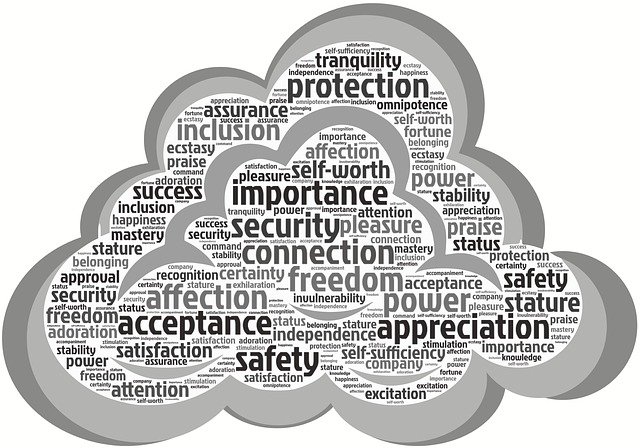
You could take Maslow’s hierarchy of needs and work through that systematically, but does that cover it? Yes, there are some basic needs that ought to be addressed: the need for food, shelter, sleep, company etc. We need our elements of security around employment, health and some material belongings. There is certainly a need for friendship, family, love and a sense of connection. But then we get on to the things that you could argue we don’t NEED, we just WANT. Respect, recognition, strength, and then self-actualisation – to be the best we can be.

There’s another school of thought that suggests a different solution to why we do what we do.

A sense of obligation – to share experience and knowledge, the obligation to serve others. A sense of duty, and pride – perhaps via volunteerism, a call to action, pride in a job well done and our want to succeed. We should be wary of the vice like self intention, cunningly disguised as “being in our best interests”, which only really offer temporary pleasure. Acts of kindness and our altruistic love for the benefit of others. Passion for our favourite activity or cause, our desire to do something. The desire to “tick the box”, perhaps something off our bucket list, but could lead on to somewhere else. Our destiny may be coloured by family tradition, a hobby or particular calling that other family members before us have excelled in. Yes, there’s a need to have a sense of fulfilment to keep us energised and empowered through our self-actualisation. But maybe we do it for others, to have something to share or for the “greater good”.

Tony Robbins, an author and podcaster, as well as being a mutli-billion dollar entrepreneur, in his TED Talk and book, describes 6 human needs – certainty, significance, variety, love/connection, growth and contribution – and how each influences our thoughts, feelings, behaviours and actions. By understanding what drives us, we can understand how to meet those needs. The same for people around us, once we know what drives them, we can help them meet their needs too.

At a very fundamental level, I know I need to be safe, secure, independent and have a sense of purpose. The narcissist in me does need some form of appreciation every now and then, but I certainly need feedback to make sure that I’m at least heading in the right direction and to help me achieve some personal growth. I need to be educated. I need to understand things and learn from them. I try to encompass all of that in my working, social and family life and am conscious that I don’t always get it right.

Start as you mean to go on

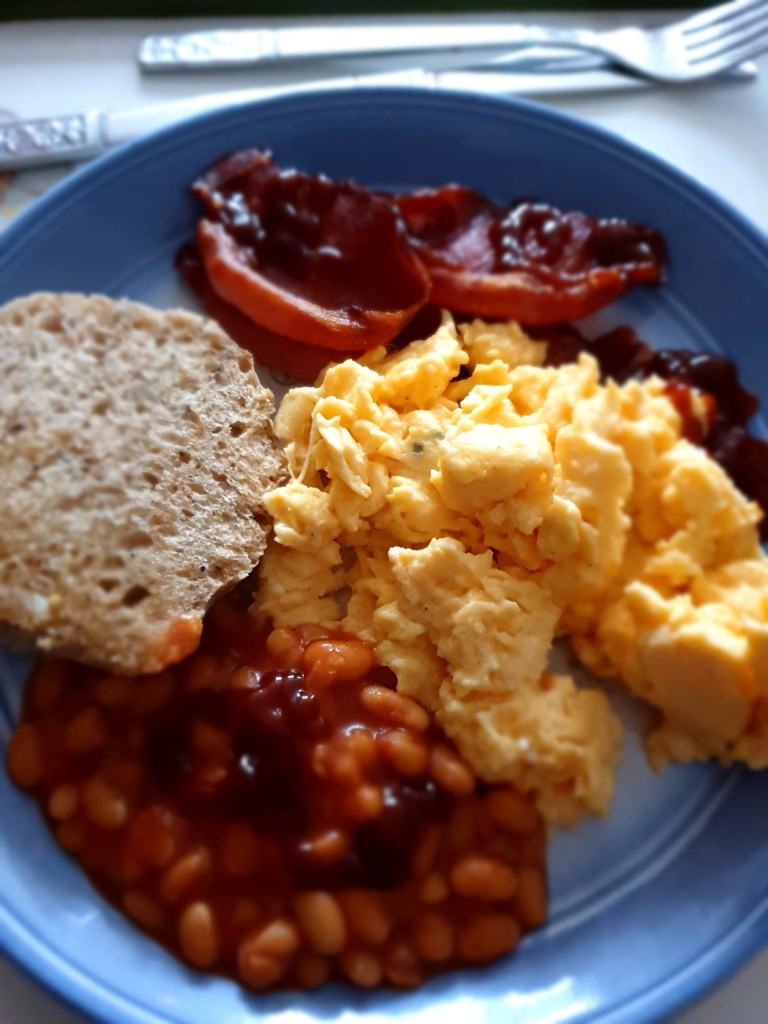
New Years Day morning. A new year ahead that hasn’t been written yet. C made a cooked brunch. I could get used to that 😋.

This year will mark a significant birthday for me. The day this blog is uploaded will mark 50 days until I turn 50. I don’t have any issues with turning 50, it is but a number after all.

The 12 months before I turned 40 I kept a daily diary. I did think of doing something similar for the year that I turned 50 but somehow never got round to it. I guess you could say that I’ve used this blog as a sort of diary, although there’s lots that I haven’t written in a blog that I would have written in a diary.

Starting a new year and a new decade of life gives me the opportunity to start afresh and start as I mean to go on. I could get used to C cooking me breakfast every day but thats not practical or too good for my health. I could take this opportunity to establish some new habits. Start or do more of the things that I ought to do better and drop things that I should not, do less of or that self sabotage.

I read somewhere on line recently that it can take from 18 to 254 days to form a new habit and an average of 66 days for a new behavior to become automatic. Now, I’m not one for New Years resolutions, but I have 50 days to do 50 things that will have a positive habit forming effect on my life to take me into my 50s.

Where to start? Drop me some suggestions 👇

This week can do one

The feeling you have after a week’s annual leave, supposedly of having rested and regathered, hasn’t lasted long on my return this week.  For some reason its been a real challenge, more so than usual.

So many of my team are either on annual leave or off sick, or off because someone in their household has symptoms so they need to isolate.  Of course the knock on effect for those left in the office has been really difficult.  The volume of work doesn’t decrease, and the type of role we have means that you can’t just leave it until the next day. Stresses and strains were really showing.

I have emailed all our services users to explain our predicament to give them the heads up that our service might not be up to standard. It has prompted a few to offer support where they can, albeit very limited, for which we are incredibly grateful. Of course there are others who are adding more pressure by phoning through monotonously, demanding that theirs is more important than anyone else’s. Well, no its not. Its all as important as each others because it involves patients, and one patient is no more or less important than the next.

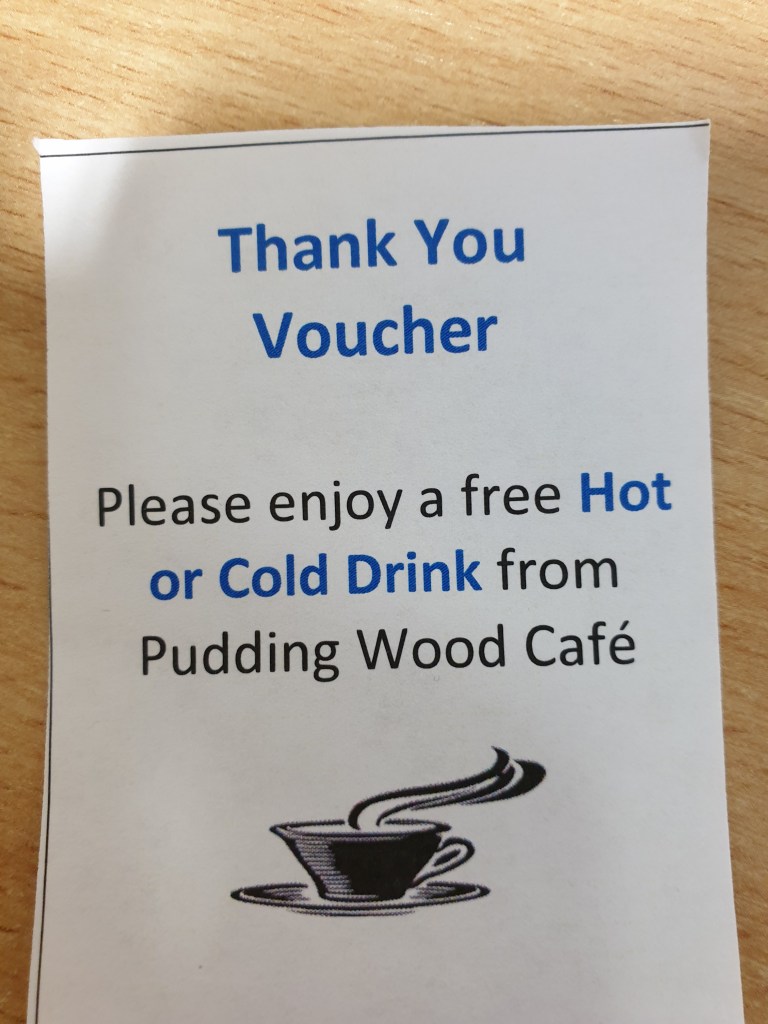
In order to support my team as best I can I will come in on my day off to deflect some of the grief they’re getting, and I have also bought them all a prepaid coffee voucher as a thank you for their hard work. Neither of these things goes anywhere near to making up what they’re dealing with this week, but a simple way for me to acknowledge them.

Here’s hoping next week is a bit better. This week can definitely do one.

Moral Injury

The #MSEBuddyNetwork meeting yesterday was discussing moral injury, particularly in light of dealing with the pandemic.

The group were sharing issues where they have been asked to do things, or not do, that go against the individual’s morals or that they could make things right.

As a manager of a large team I had to introduce mechanisms to try to keep the whole team safe and Covid secure. This has meant impacting on their home situations. As time has gone on, staff are getting tired and frustrated that their seems to be no end in sight.

The NHS is an incredibly resilient organisation, however the individuals within it are really struggling. People come in to work, and on the surface seem fine, but we recognise that deep down they are not. Accepting the current situation does not mean that we necessarily agree with it, but we are trying to manage it as best we can.

We also need to be careful not to project those things on to others either in the workplace or at home. Sometimes we need to accept that we can’t fix everything and that we have to accept a lower bar, but that doesn’t mean we agree with it.

What is the defining moment that shaped your identity?

An interesting question popped up in one of my social media time lines. It possetted that the best way to get to know people was instead of asking where someone is from or what they do, ask what was the defining moment that shaped their identity.

We are often defined by our job title, our social status, our religion, relationship status and so on.

I like questions like this but I’m not very good at answering them myself. I’m not sure I could pinpoint a defining moment, more a steady build up of experiences.

Getting to know yourself is important in defining who you are. Finding out what makes you tick. Observing how you think and feel, reflecting on thought process and recognising and catching some of these thoughts before they cause any anxiety.

I read an article in Psychologies Magazine offering a series of questions to ask friends or colleagues to get to know each other better. The idea is each person completes the following sentences then shares them with each other (I’ve added my own answers in italics):

To get the best out of megive me all the data and the time to analyse it and formulate questions and an action plan. Give me some encouragement that I’m on the right track. Treat me how you want to be treated.

In social situationsI’m generally uncomfortable, give me an “in” to a conversation so I’m not stood on the sidelines like Billy-no-mates, but give me and “out” opportunity to leave when I’ve had enough without it being awkward.

If I am stressed or worried ... I will shut my office door ear a lot of rubbish food, or sleep. It can’t bother me if I’m asleep.

When you ask me to do somethinggive me all the information then let me get on with it. Don’t micro manage me. I will shout if I have any problems or questions. You will be kept up to date.

If you are upset or angry with me tell me straight away. I can’t put it right and learn from it otherwise. And the sooner its dealt with, the better for everyone.

If you have feedback for me ... let’s go grab a coffee and go through it together so I fully understand and we can formulate a plan.

If you want to praise me or reward me please do, be genuine about it but don’t make a big deal about it.

If I say no to something be assured there’s a damn good reason. I won’t say it unless I have to and I will tell you why.

When I want time to myselfI’ll take myself somewhere else, and probably bake something or read, or sleep.

I am trying to get to know myself better and be more curious about others, to know them better too. That’s all still work in progress.