Surround sound

How often do we get an opportunity to just sit and listen, I mean REALLY listen to the sounds around us?

Both C and I were sat out our respective desks in the study, going about our business when it suddenly hit my ears there there was silence. Neither of us were speaking. At the time neither of us was hammering our keyboards or frantically clicking a mouse. But then I noticed the non-silence which actually became quite loud.

I could hear the birds twittering in the back garden, as clear as a bell. The hum from the fan on C’s PC, continual hum. The wall clock ticking, so loudly too that it beggers belief that sometimes you barely notice it at all. There was an occasional mouse click as one or other of us scrolled up whatever it was we were reading on the screen. There was a throat clearing after a glug of water. There was a chair squeaking under the pressure of shifting weight. There was an airplane outside on its way to, or from, who knows where. There was pen scratching on paper as I was making notes. There was a belly rumble and an over emphasised exhalation.

Within the space of somewhere between 5 to 10 minutes there were all these sounds surrounding me, but there was silence. Peaceful, gratifying, restorative. All of these amazing sounds that I might have missed had the radio in the kitchen been on, or had I been hammering away at documents or emails, or people talking.

Silence can provide us with so many benefits if we choose to allow them into our lives.

It can allow us to concentrate and focus, which apparently can be lost if the sound is over 80 decibels. Obviously the writer of that point has never been to a #bellringing practice where concentration is required despite the noise of the bells.

It can allow our minds to be more creative. Some eminent scientists did their best creative work after a period of solitude and quietness.

It can allow us to discover how we may improve our lives when attention is given to self awareness practices. Taking time to self reflect can help figure out what and where we want to be.

It can help relax us and reduce stress levels if we allow a period of silence.

It can affect our ability to learn. The more noise we are exposed to the worse we perform and find it harder to concentrate.

Doing nothing and remaining silent can increase productivity of new brain cells, which in turn supports greater productivity as much as tenfold.

Silence can help cultivate calmness and peacefulness when you regularly practice silence and patience.

If you are able to, I invite you to sit somewhere comfortable and just be silent for even just a few moments. Make a note of all the things that you can hear in the silence. You’ll be surprised how much surround sound there is.
Sleep cures all

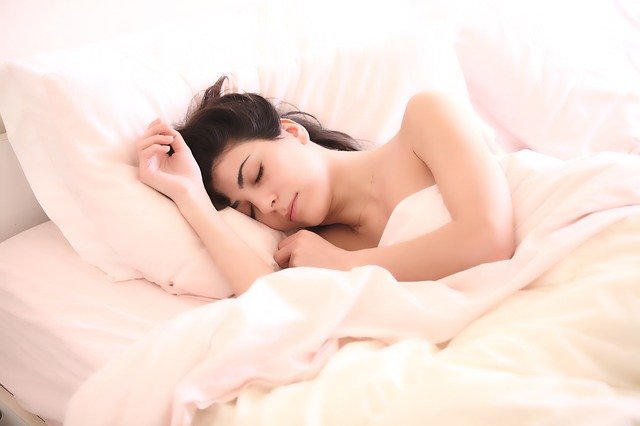
How much sleep is too much sleep? And is too much sleep bad for you?

I sleep a lot. I mean, like, A LOT. Sleep seems to be my answer to everything. I’m tired, I sleep. I’m bored, I sleep. I’m ill, I sleep. I’m stressed, I sleep. I’m sat still for more than half an hour, I sleep.

Last year some time, on an incredibly rare Saturday when we had nothing in the diary, we decided to have a lie in, so we didn’t set an alarm. We’d gone to bed about midnight the previous day, and presumably, I’d already had a nap on the sofa before bedtime. So, we woke up around 8am I guess. Really late for us, even on a weekend. I got up, had a shower and got dressed. I sat on the sofa waiting for C to get showered and dressed and had a nap. We wandered in to town a bit later in the morning and when we got back I had another nap. He woke me up for lunch after which I had another nap. He then woke me up for dinner, after which I settled for another nap, before being woken up in time to go to bed… and sleep through until the 7am Sunday alarm.

I’m generally ok of I keep going. If I have an evening meeting, or a #bellringing session, I’m ok and can stay awake, and then I’m usually still buzzing afterwards and that means I can stay awake until midnight or beyond. The moment I stop and sit down is when I could fall asleep fairly instantly.

I have also been known to fall asleep in the cinema. One time I was with a friend watching one of the Pirates of the Caribbean films and I’d said that there was this really clever bit where they walk on the sea bed in and out of the moonlight, and keep changing from humans to skeletons, but then managed to sleep through that very part of the film.

Apparently our metabolic system doesn’t like it if we sleep to much. Sleepfoundation.org suggests that between 7 and 9 hours sleep is ideal for most adults, with some needing around 10 hours kip. Their study suggested that sleeping more than the suggested amount could lead to increased risk of obesity, heart disease, back pain and headaches. An NHS review of this study did find that as a cross sectional study, it could not draw a direct cause and effect relationship between sleep and disease risk, as it could be that the symptoms of heart disease were causing people to sleep more rather than the other way around. They said that the study also didn’t take into account other factors that could have influenced the results such as chronic disease risk, lifestyle choices e.g. smoking and drinking habits. It summarised that having the occasional long snooze is not something to lose sleep over.

I wouldn’t say that I suffer from excessive sleepiness itself, but the act of sleeping seems to cure everything. I’m not necessarily tired but I can’t be hungry, anxious or bored if I’m asleep. 💤

Ahhhhh, new pillows

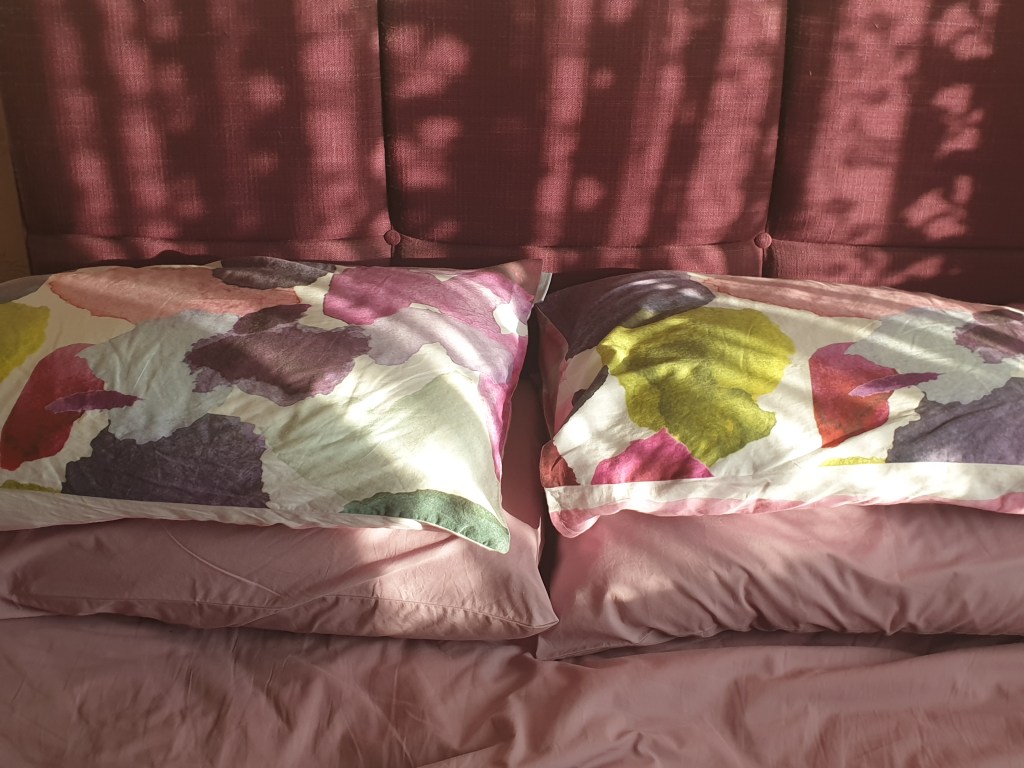
Mr came home from food shopping yesterday with the addition of 2 new sets of new pillows for our bed 😁 I can’t tell you how excited I am about that. I love soft, voluminous pillows.

Trouble is, they’re not really good for supporting your neck apparently and the way I sleep actually makes them fairly redundant. I tend to sleep 💤 on my front with my arms folded but above my head. That means that I tend to push the pillows up and most of my head is actually resting on the mattress.

Apparently that’s one of the worst positions to sleep in, according to onhealth.com who say that 7% of people sleep like this and although it may help ease snoring it may aggravate neck and back pain. I used to suffer quite chronic back pain but over the last year or so it seems to have improved.

All that aside though, being able to let your head flumph down into a soft pillow is such a good feeling, even if it is shortlived until I turn over.

Night, night 🥱😴