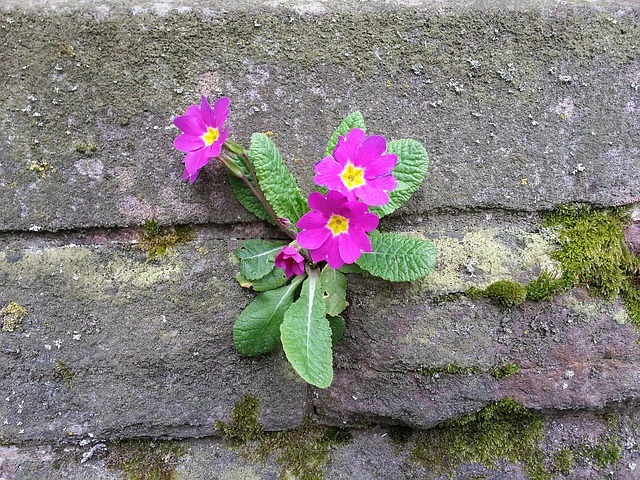
According to Baroness Helen Morrissey, if you haven’t hit your sartorial stride by your 50s, now is the time to do it. She suggested we should be far from becoming wallflowers, wilting into retirement, but ready to show the world who we are and why they’re lucky to have us.
How we dress can affect how we are seen and heard. We try to fit in with the corporate style, or tone down to play it safe, or in order to land a new job. The Baroness, who is one of the few women CEOs in the finance sector, had her fair share of dumbing down to fit in with a masculine, conservative environment until she realised she needed to be her authentic self. When a new boss gave her that opportunity by saying he didn’t want another privately educated white man, and understood she was a mother and valued the difference she could bring to the organisation, it gave her ‘permission’ to kick start a makeover. She felt more confident in being able to be herself and started to dress in a way that celebrated that. She no longer felt the need to underplay her femininity and started to wear clothes that complemented her shape and embraced more colour.
With that came a newfound confidence and she found herself speaking up and being listened to. Her wardrobe choices made her more visible and the personal rebranding set her on her path. She has some top tips for how to polish your style:
- Explore what works – what outfits do others compliment you on? What do you feel good in? Ask friends and family for honesty. Edit your wardrobe and use core pieces.
- Whatever you do, do it well – there are no rules about what to wear (but there are decency and appropriateness parameters). If it’s done with respect and self-assurance, do what feels right for you.
- Figure out your brand – if you want to dress head to toe in black, that’s fine, but perhaps try to inject some personality into it. Look for a point of interest in an outfit, like an asymmetric hemline or interesting embellishment.
- Plan ahead – sort your outfits out for the week ahead, it gives you more time to consider each outfit rather than panic grab the first thing you come across.
- Continue to evolve – take time to review and edit your wardrobe and put the items that make you feel good at the front.
- You do you – it’s not about changing who you are, but how people perceive you.
When I worked in financial services over 20 years ago, I used to have what I called my ‘corporate kit’. It consisted of court shoes, black or flesh coloured tights, white blouses, a shift dress or a skirt and jacket suit. To some degree, I didn’t have to think about what to wear each day, it was all pretty samey. Things in the NHS are a little more relaxes with a ‘smart casual’ policy, although there are some who do still do the suit or dress. I was once told that you should dress for the job you want, not the one you have.
At home my style was always comfortable. Jeans and polo shirt or rugby shirt were the norm as they were comfortable for #bellringing in. The majority of my clothes were black or dark colours.
Over the last year I’ve been reassessing my wardrobe and trying to inject colour, femininity and style into it. I try not to wear polo shirts or rugby shirts very often anymore, other tops are just as ‘ringable’. I have invested in some skirts and dresses, particularly for the summer, I have yet to wear a skirt for work since the weather has turned cold. I am trying styles I would have previously not thought of and looking at clothes in a different way, considering why I should wear something instead of the multiple reasons my unconfident brain is telling me I shouldn’t. I am starting to take a little more interest in fashion, although don’t intend to become a slave to it.
Psychologically, I suppose I am becoming a little more confident, but I wouldn’t put that down to new clothes alone. I am working on other areas of my life that are starting to show in my confidence levels, my self-awareness and how I want to experience my life, and if changing my outfits up a bit makes me feel better, then that’s a good thing.

 Bells, Bakes & Bettering Myself