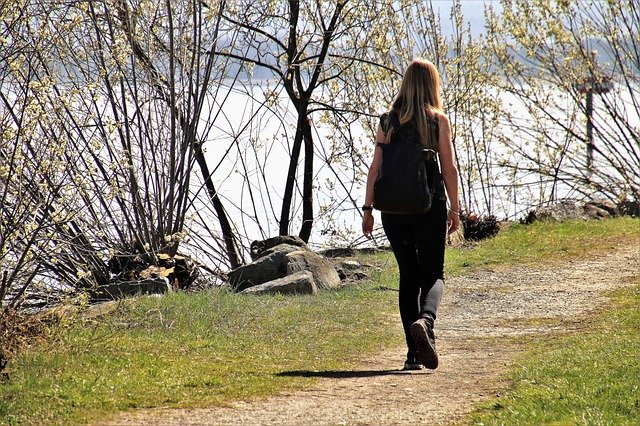
There are lots of reasons why we may not travel including not having someone to go with. I know I would love to travel more and explore other places and cultures and have been lucky enough to have visited several different countries with family and friends.
Travelling alone can be scary, whether it’s going on a foreign trip, or simply travelling through life. It can make you very anxious particularly if you don’t speak the language, but could that thirst for experience outweigh the fears?
Whatever your definition of adventure is it’s important to embrace it, whether it’s backpacking through the wilderness, or sauntering along the Champs Elysees eating cheese and chocolate. We tend to allow excuses to get in the way of exploring; money, time, family commitments, fear of being alone, afraid it’s not safe etc.
Here are some top tips from Tonya Leigh about how travelling alone can give us confidence with being by ourselves:
- Learn to listen to your gut – if your body tells you it’s not safe to go that way, don’t, or if it is, then go ahead. Have a conversation with someone in the bar/hotel. Turn left. Go that way. Do that thing.
- Gain confidence – you can do these things alone and believing otherwise impacts so many part of our lives like moving to a new city, or staying n toxic relationship. You can do things along while building your confidence. By figuring out the underground routes, or taking a punt on a menu choice when you can’t read what it is, you learn to trust it your ability to flourish in your own life.
- Do whatever you want to do, when you want to do it – there’s no one telling you where you should be or what you should be doing. No timetable to stick to. The experience of total freedom.
- Get to exercise your decision muscles – we can be indecisive about where we want to go or what to do. How many times do we say “I don’t know” or “I don’t mind, whatever” when asked where we want to go or what we want to do? Being indecisive is an excuse to stay where you are. When you’re on your own you are forced to make decisions and therefore learn to trust your ability to do so.
- You get to play with new ways of being – we are surrounded at home by people who see us a certain way. Any attempt to change may be met with resistance from those around us. Going solo gives you the chance to play with different versions of yourself, of who you are, and to discover and cultivate the real you.
- You get to meet yourself – without the everyday distractions you can explore who you really are. All of the thoughts you usually bury have a chance to surface so they can be released and let go.
- Space to reflect and dream – when you travel alone you’ll have space to see yourself, who you want to be, what you want and don’t want, what you dream of and are ready to create. You’ll probably get new ideas that come from being able to look inwards.
- You are invited to come home – returning to yourself. When you travel alone you discover what needs to be cleared out and let go of, what you need to make room for in your life and what actions you need to take to create your fulfilled life. When you return home you have that opportunity to create it, to start afresh.
The reasons we fear being alone is because of the deep, dark that is buried in the recesses of our minds.
We don’t need to be travelling abroad, or far, or for very long, but as we travel through life and navigate the next phases, it gives us the chance to return with a deeper appreciation and confidence in ourselves.
 Bells, Bakes & Bettering Myself