
I listened to an episode of a podcast I haven’t listened to in a while, called By the Book. The hosts take a self-help book, then live for two weeks by the rules of the book, before passing a verdict on whether they thought it helped or not. The book of choice to live by was Margaret Cho’s “I have chosen to stay and fight”. It was originally written about 20 years ago in a different time and place, so some of the “rules” could be dated, as there has been some progress; however they were still pertinent to some.
The premise of the book was laying out issues that were pressing at the time with personal stories, rage and humour with a rallying cry not to stand down and run away, but stand and fight for what’s right. The podcast hosts distilled it into these seven “rules” to live by:
- Entitle yourself to speak – Silence equals acceptance, but also non-existence. Find the courage to use your voice then actually use it. Others are no more qualified to speak than you.
- Give peace a chance – think how hard it would be to never see the people you love again based on bias beliefs and ignorance.
- Race in the US (that’s where they’re all from but you could translate that to UK or anywhere else too) – Admitting you own ignorance about race issues doesn’t excuse it. Don’t tell racist jokes and learn why affirmative action isn’t a bad thing. Admit your own racist brain washing, fight alongside people of colour, never take the side of the oppressor, accept that no art or artist is perfect. Try to love everyone.
- Feminism is a feminist issue – Accept that women have the right to choose what to do with their own bodies. Stop being squeamish about periods. Stop obsessing over your looks because no one is looking at you anyway. Enjoy your body and do body positive activities. Be honest about who you are. If you’re called selfish, own it – women have been told to be selfless for too long.
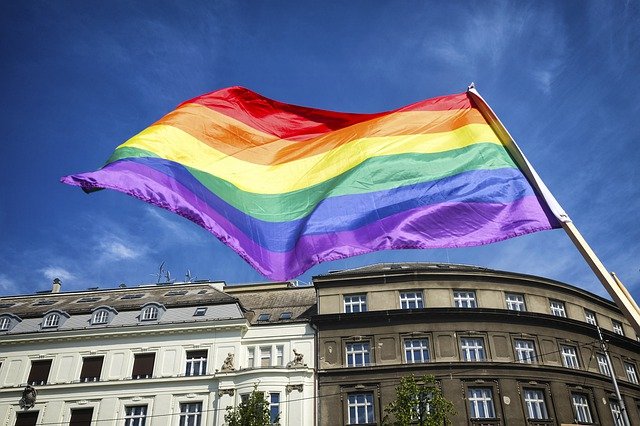
- Family values – we hold the keys to gender in our hearts, not our bodies. Stop taking the high road with homophobes, speak out. Be a mentor to LGBTQ+ people.
- What would Bowie do? We are not all under one rule or god. Some don’t even have a god. Accept these differences and while religion can help some, it also has its ugly side. Enjoy art, music and experiences that feel transcendent. Try to see all people and creatures as part of the mystery of life.
- The right to life – society criminalises things that are not criminal, like sexuality or skin colour. Educate yourself about the system. Practice compassion. Representation matters.
At work we have several networks that cover specific characteristics of equality, diversity and inclusion. I sit on a number of them as an ally, most frequently supporting the disability and mental health and the LGBTQ+ groups. I don’t identify with either but in my opinion, my role as a service manager means that I should be aware of the issues and concerns that members of my team who do identify may have. I see my role as supporting those staff who may find it difficult, but also sharing awareness through my management colleagues. I speak up for those who don’t feel they can do it for themselves.
October is Black History Month and the Trust has a series of events including listening events, movie nights, quizzes and Show Racism the Red Card by wearing red on Friday 22October. The latest LGBTQ+ newsletter was an intersectional publication on the issues faced by people who identify as LGBTQ+ and BAME. It was a very interesting read to hear how coming out in a white privilege country can be difficult enough, but coming out in a BAME culture could actually be life threatening. There was also a story about how coming out conflicted with religious beliefs as a young person, but as an adult, with understanding and support it had become a more accepted.
Monday sees World Menopause Day and acknowledges that menopause doesn’t only affect women, so it’s important to recognise that it could impact any of us, directly or indirectly. There will be guest speakers on everything from hormone replacement therapy (HRT) to positive psychology, bone health and the Trust will be launching its new menopause support group – Menopause Voices and a new Menopause in the Workplace strategy.
I am glad to work for an organisation that takes these matters seriously. There is a still lot of work to do, but we are heading in the right direction, and I am pleased to be a small part of supporting my colleagues, whatever the beliefs, race, orientation or preference.
I choose to stay and fight for those who can’t.
 Bells, Bakes & Bettering Myself